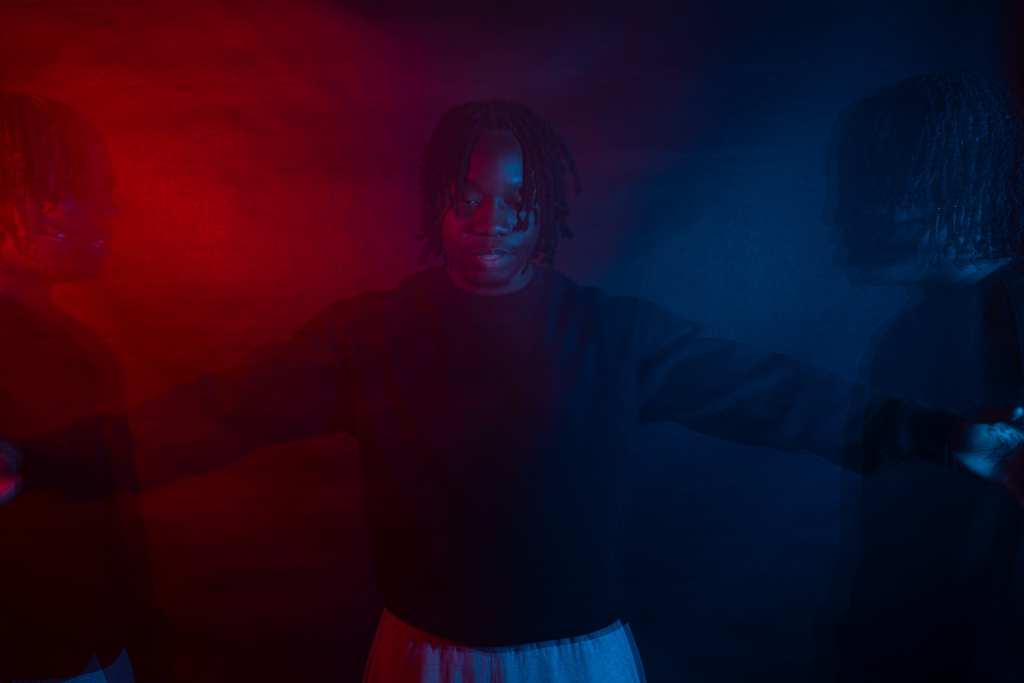
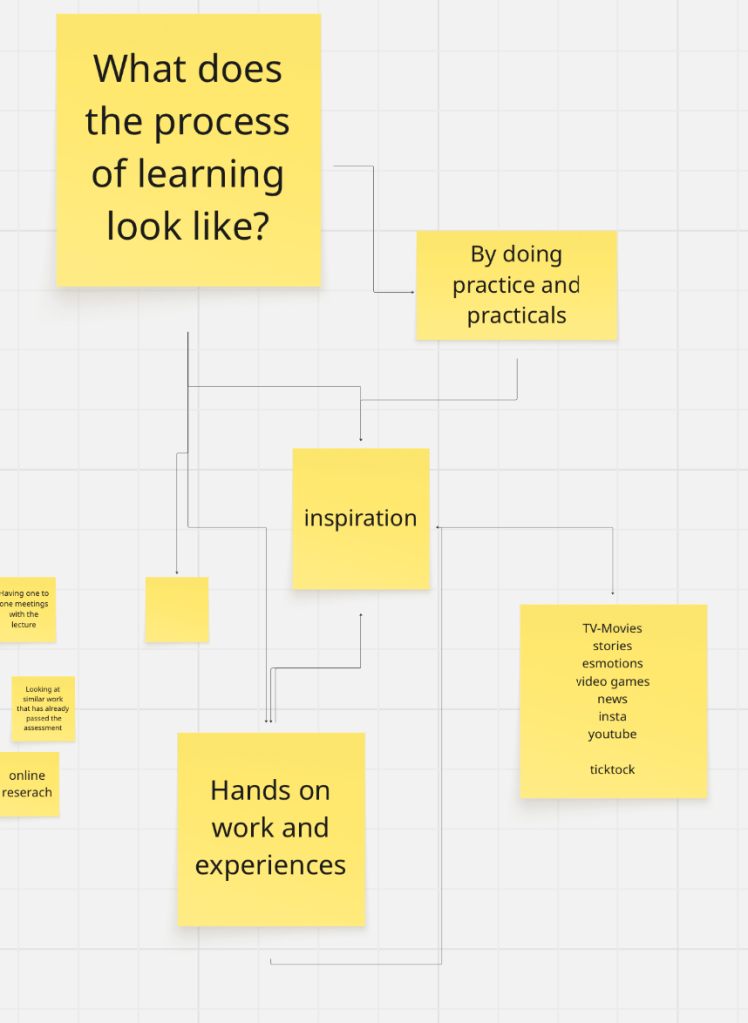
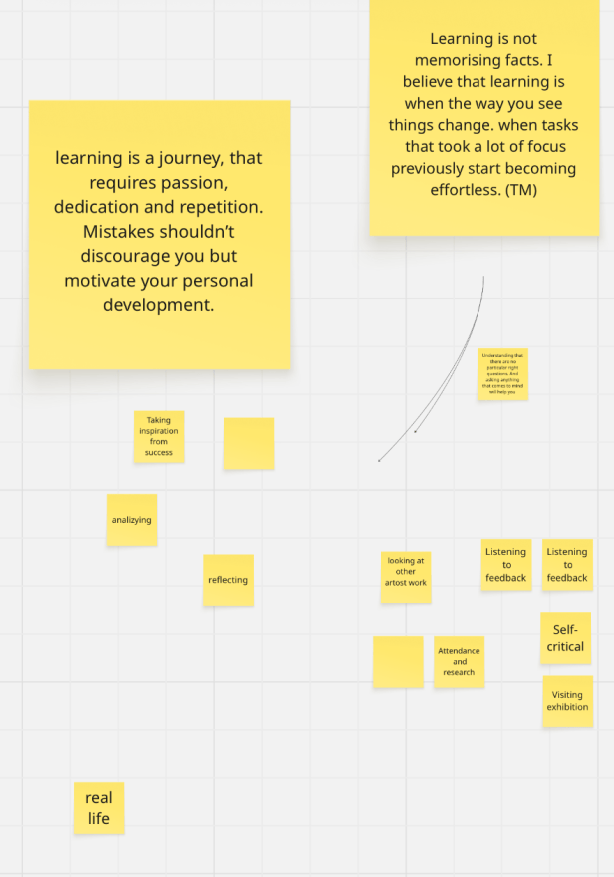
In this lessons first half we looked into the process of learning and what it looks like we also in groups. We downloaded the app miro and began to work in pairs discussing this topic before handing over the ideas through the app. Some of the key ideas we came up with were that inspiration, attendance and questioning were fundamental to learning in anything. Here’s why in my opinion it makes sense. to attend doesn’t mean to just show physically up to class but also to be present in mind and desire to want to learn or attain a given thing. Inspiration can both meaning seeing something and gaining a idea but it can also mean the desire to bring something that has only been manifested as a thought so far in your own mind and that image or vision is what inspires you to keep moving forward. Finally there’s questioning. there is no such thing as a stupid question when trying to attain knowledge you do not possess. To expect such a thing can be flawed and unhelpful, seeking the knowledge is the best and first base to understanding anything. to quote of of my peers notes on the miro app “learning is not memorising facts. I believe learning is when the way you see things change. when tasks that took a lot of focus previously start becoming effortless”. with attendance, questioning, inspiration and attempting, such learning is possible.
Camera experimentation:
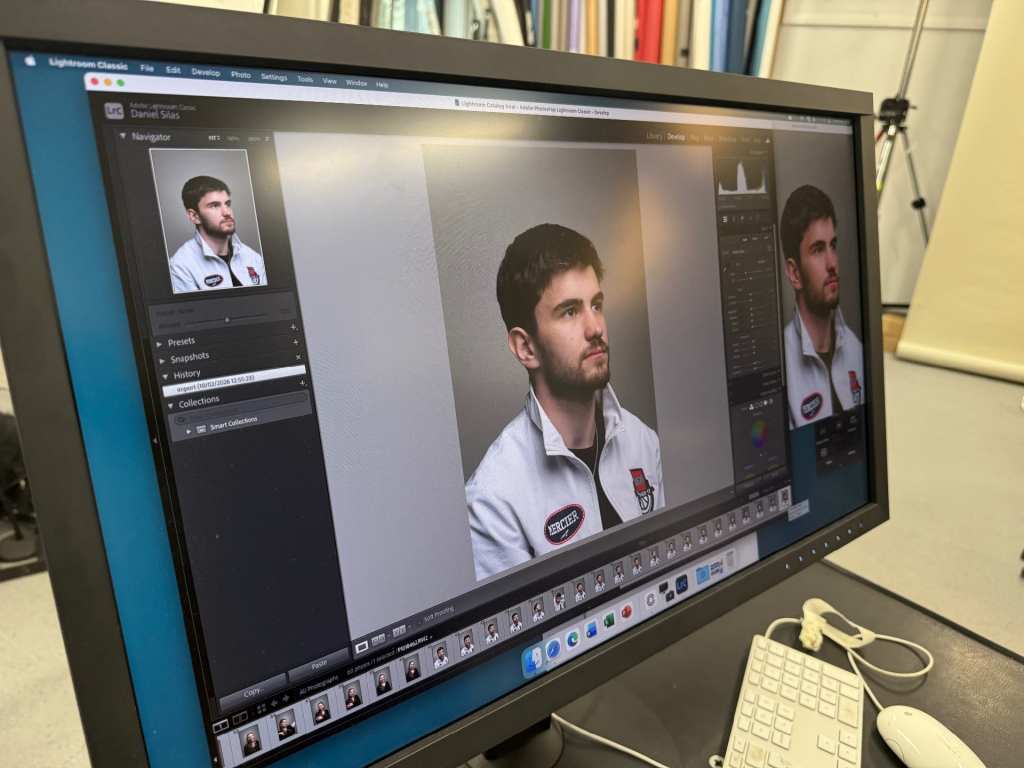
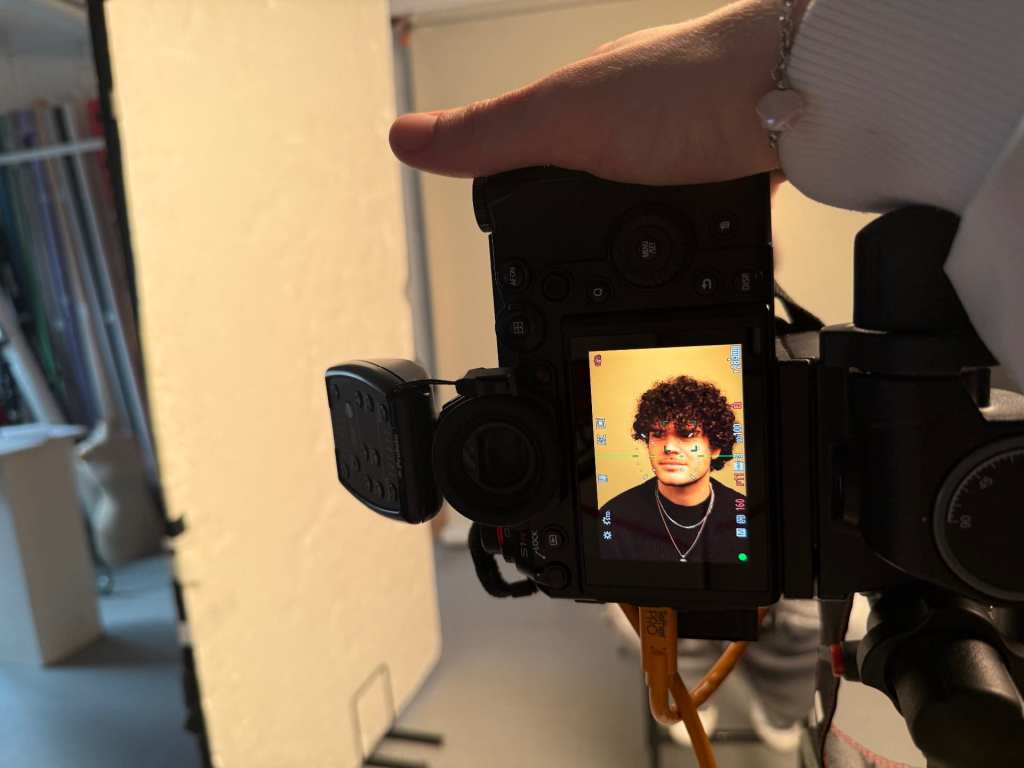
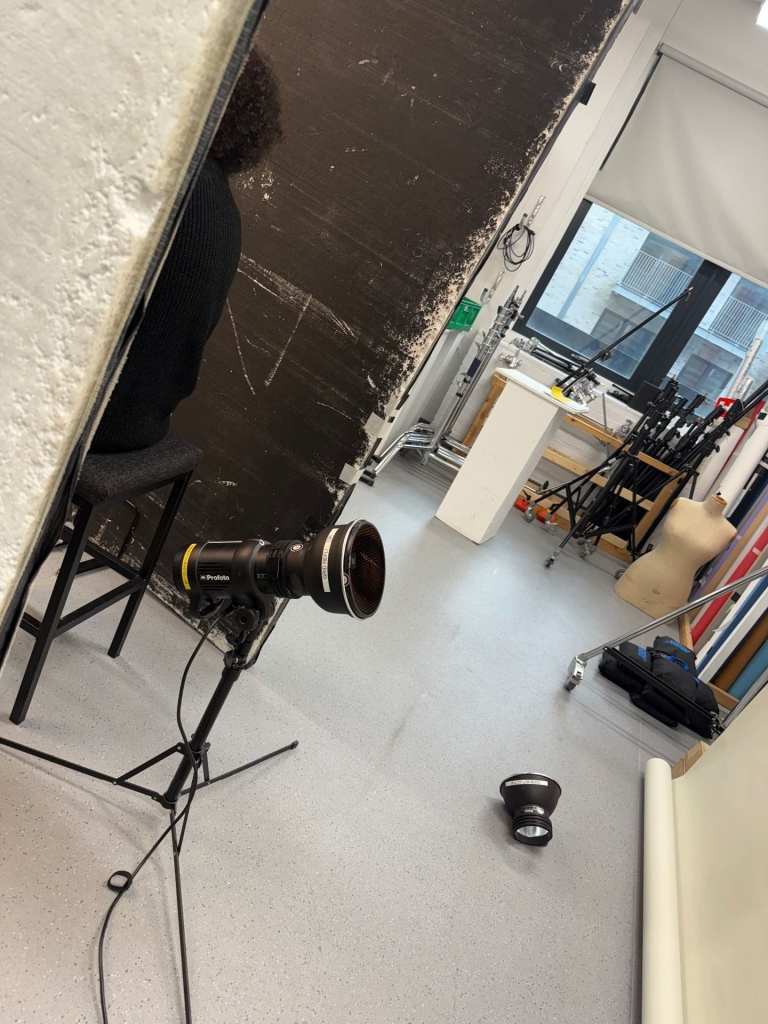
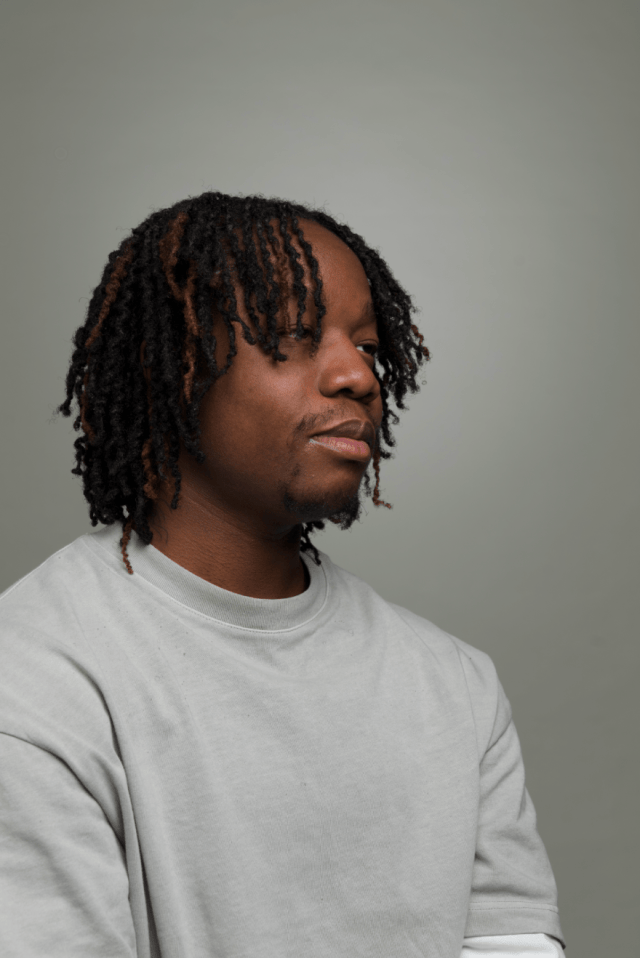
During the second half of our lesson we experimented with the camera taking turns capturing portrait photos of each other. taking turns both in the frame and managing the camera. we used different lighting both behind and in front of the subject as well as experimenting with white and blacked out panels to control the lighting around the subject. we were instructed on how the camera worked as well as how the photos are sent and processed by the computer. we are also guided on safety hazards such as loose wires and the correct management of equipment.
As an intro to the course this semester is was very good, it allowed me and all my peers to refresh what we know about basic camera control and lighting. beyond that it retrained us on the importance of health and safety and the associate hazards.
Week 2: Shutter speed, Iso and aperture
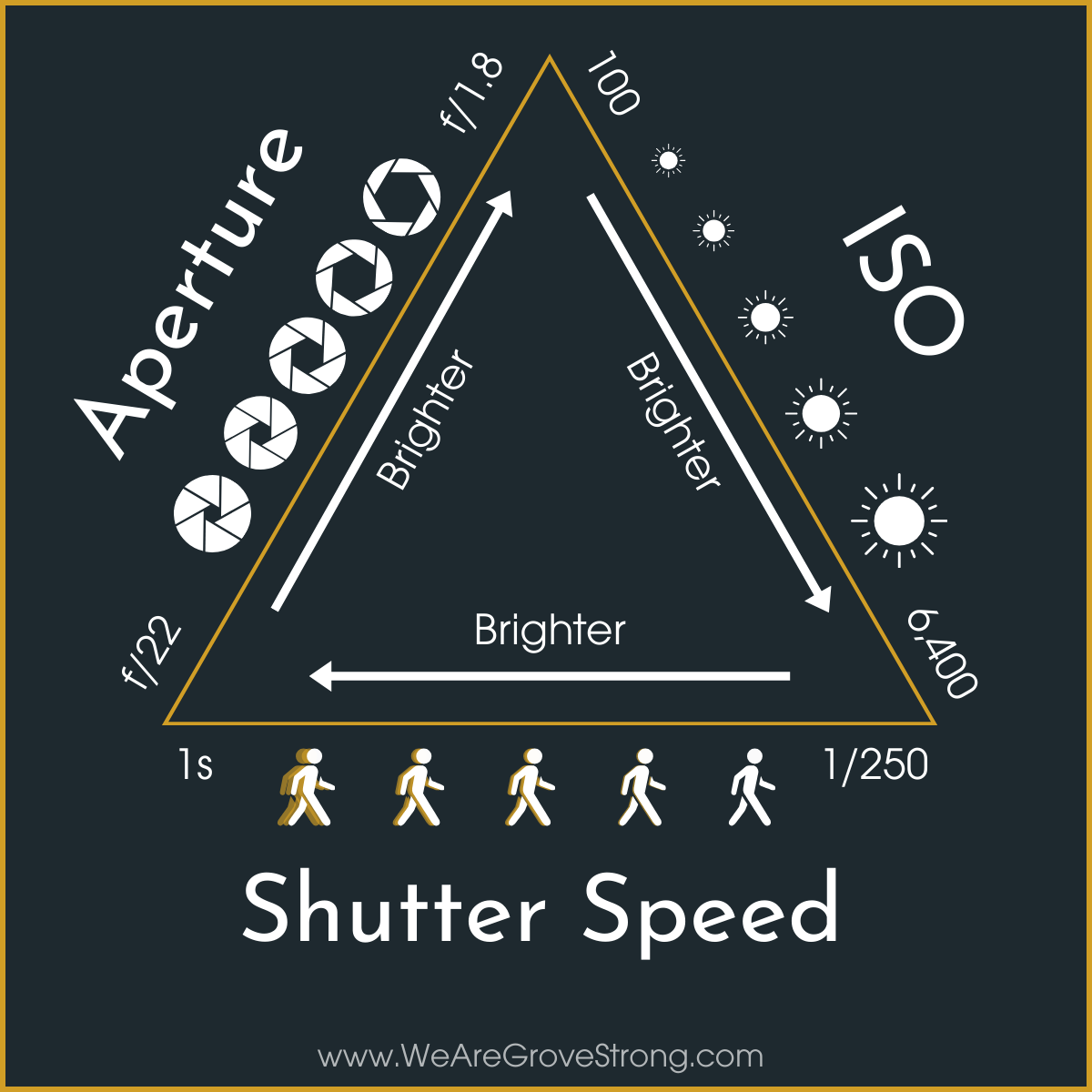
During the first half of week twos lesson we explored the Exposure triangle.
We learned how by altering aperture, shutter or iso the brightness and/or exposure can be changed.
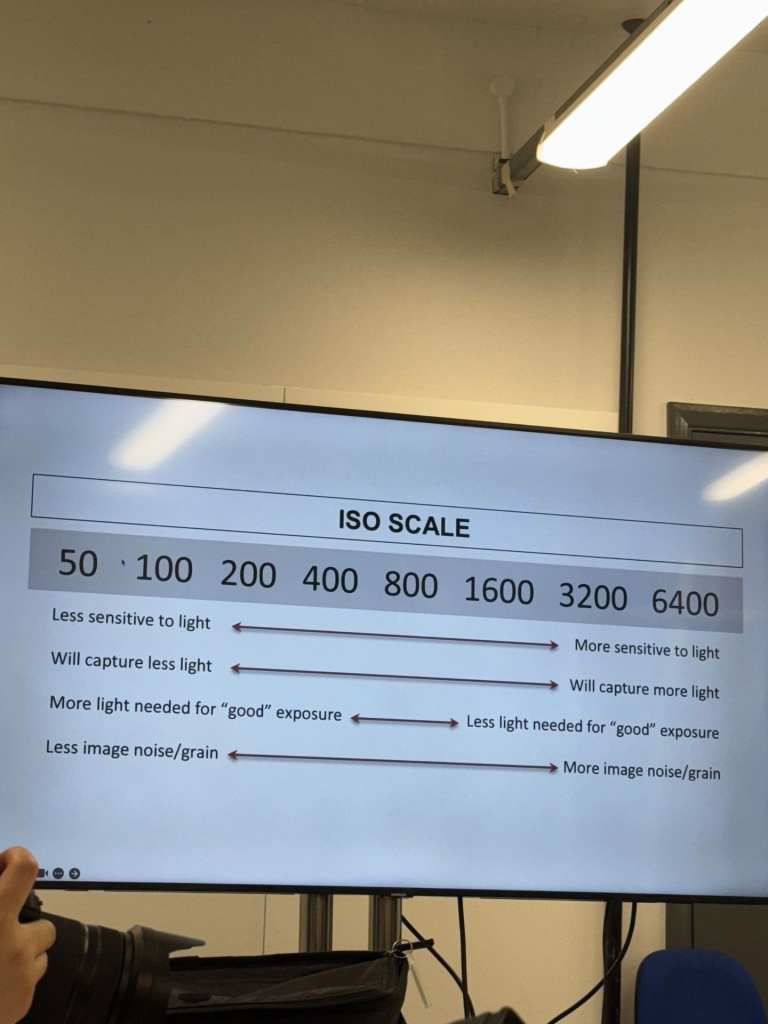
ISO
International organisation for standardization.
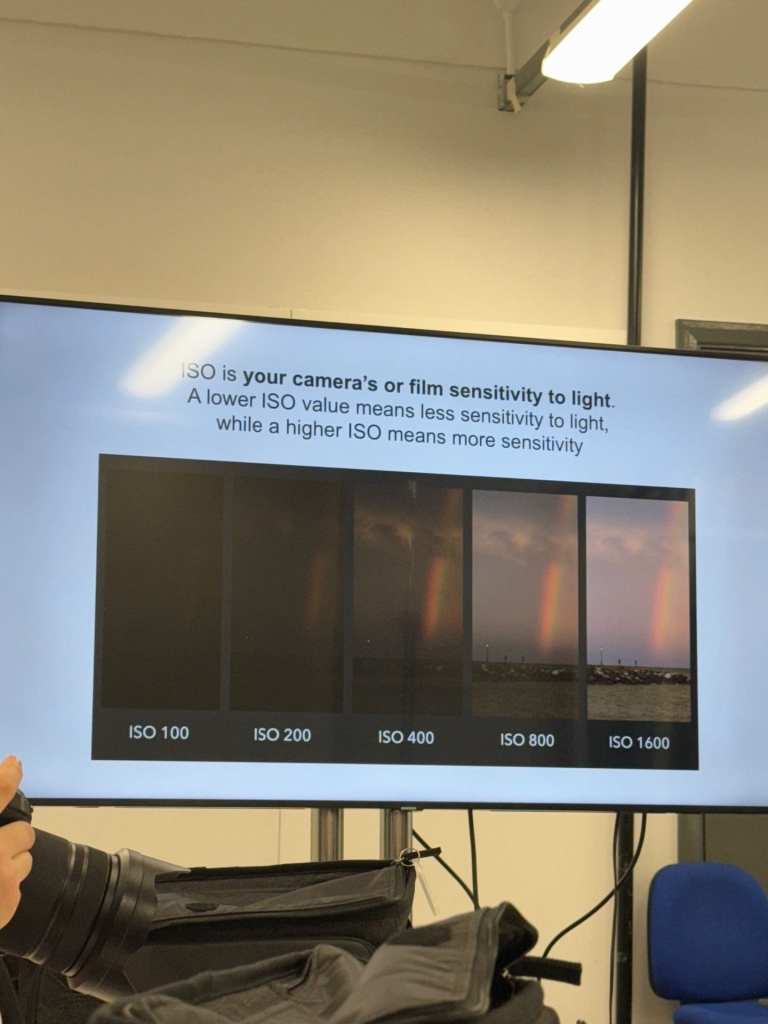
Iso is the cameras sensitivity to light, this sensitivity can be change, changing this to a lower value like 100 means the scene will become darker as the camera is now less sensitive to light and conversely setting a high iso such as 1600 would make the camera more sensitive to light.
A problem that arises during the use of altering the ISO is that the image becomes more noisy and grainy.
Aperture:
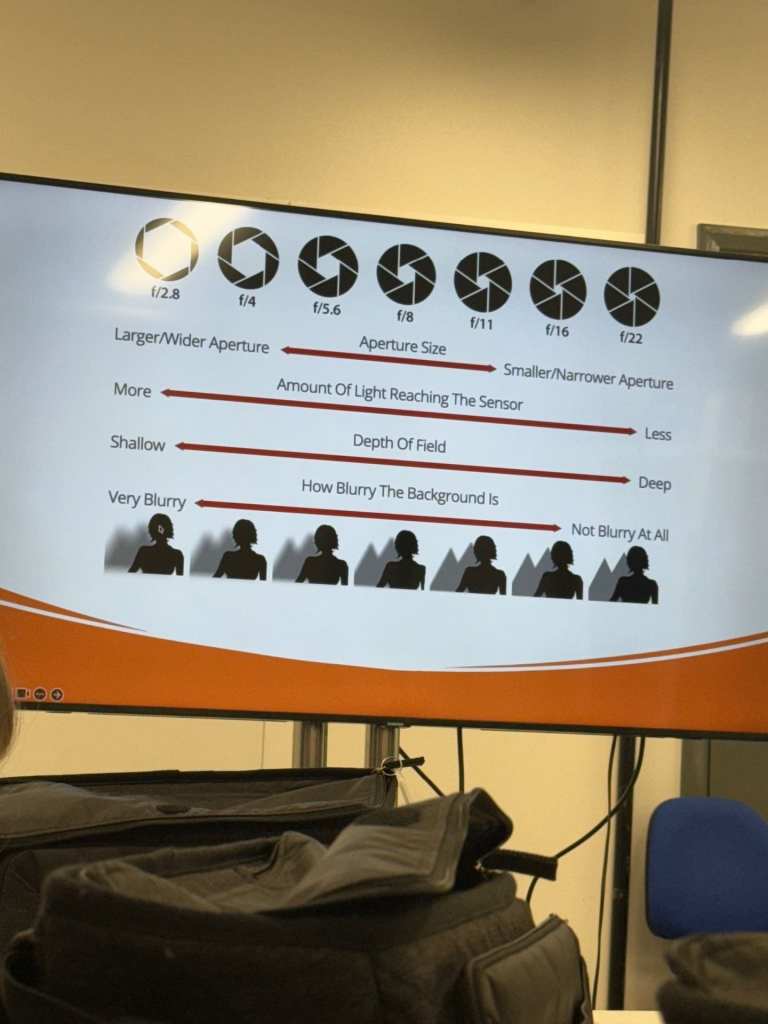
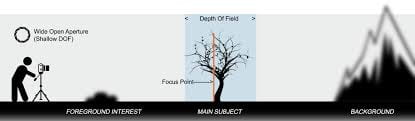
The aperture is the the figurative pupil of the camera. By altering the size of the aperture thecamera will allow less or more light into lens. a f/2.8 would be extremely wide and would allow more light. however this does not come without and drawbacks.
Changing the aperture can make the background behind the subject very blurry. were as a smaller aperture such as f/22 would be darker as there less light and the deep of view would be very deep.
The F stands for focal length.
Shutter Speed:
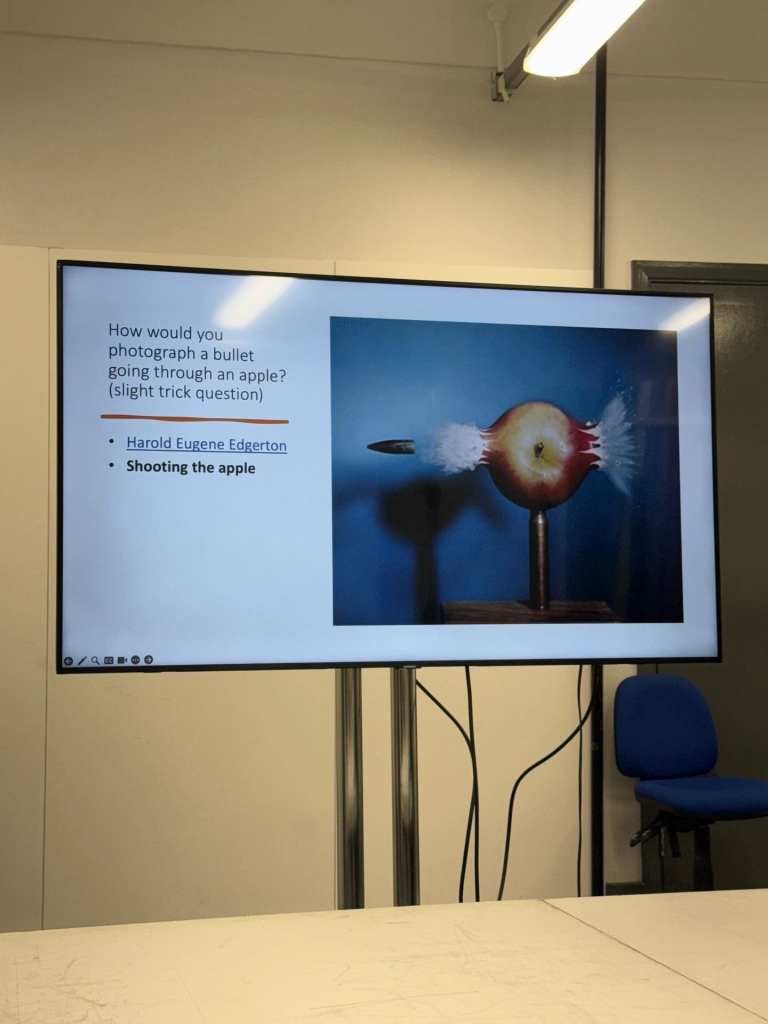
the speed in which the camera shutter opens to bring light into the sensor is known as the shutter speed.
This speed can be changed between many seconds or even minutes to fractions of a second. Depending on the desired outcome both fast and slow shutter speeds have great value. fast shutter speeds are better at capturing moving objects, people and such. where as the slower speeds allow for longer exposures allowing for light trails for example on a busy highway.
Shutter speeds are often 1/1000, 1/250/ 1/60, 1/2000
SLOWER SHUTTER SPEED = MOTION BLUR
DOF (DEPTH OF FIELD)
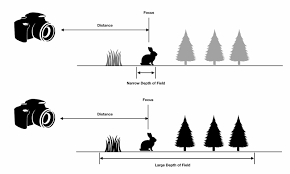
Depth of field can either be large or narrow. The latter only has a small amount of the image in focus whereas the former has a sharper scene.
To extrapolate it can be summarised as the distance between the nearest object or subject in the photo that is in focus as well as the furthest subject in focus.
This is controlled by the focal length, aperture and and distance.
WEEK3 Camera lenses + camera shots and angles.
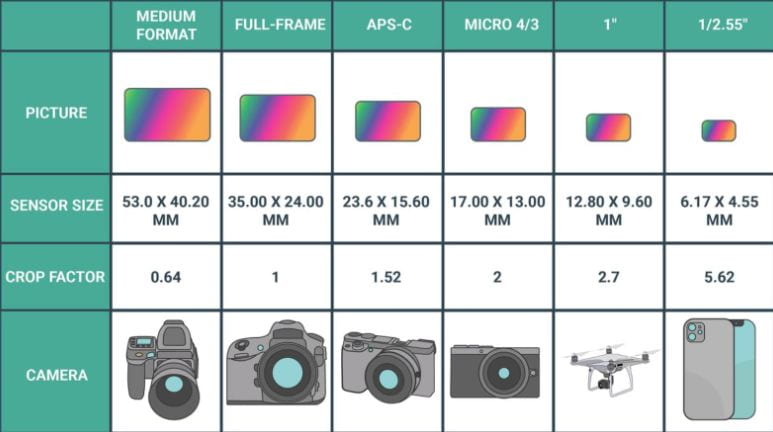
In todays lessons we discussed the different types of picture sizes, sensor sizes, crop factors and types of cameras we used.
we delved into how the distance between the lens and the sensor can change the field of view as well as how we can use different lenses such as a Zoom Lenses which has variable focal length & Prime lenses that have fixed focal length.
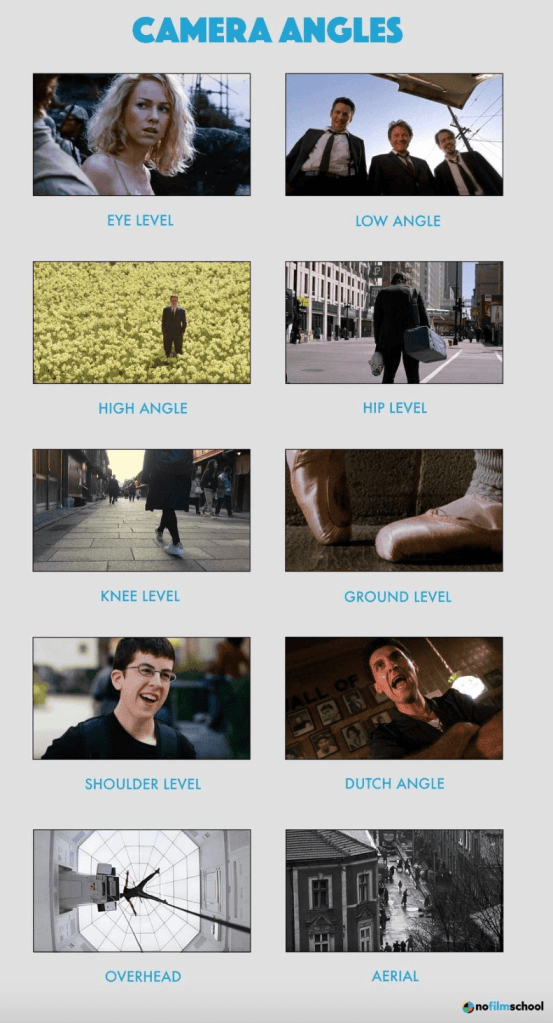
CAMERA ANGLES USED IN CINEMATOGRAPHY
We also had an extensive look at camera shots used in cinematography, these shows can be used to establish settings, provide visual story telling or to focus and/or highlight specific things in a shot/scene.
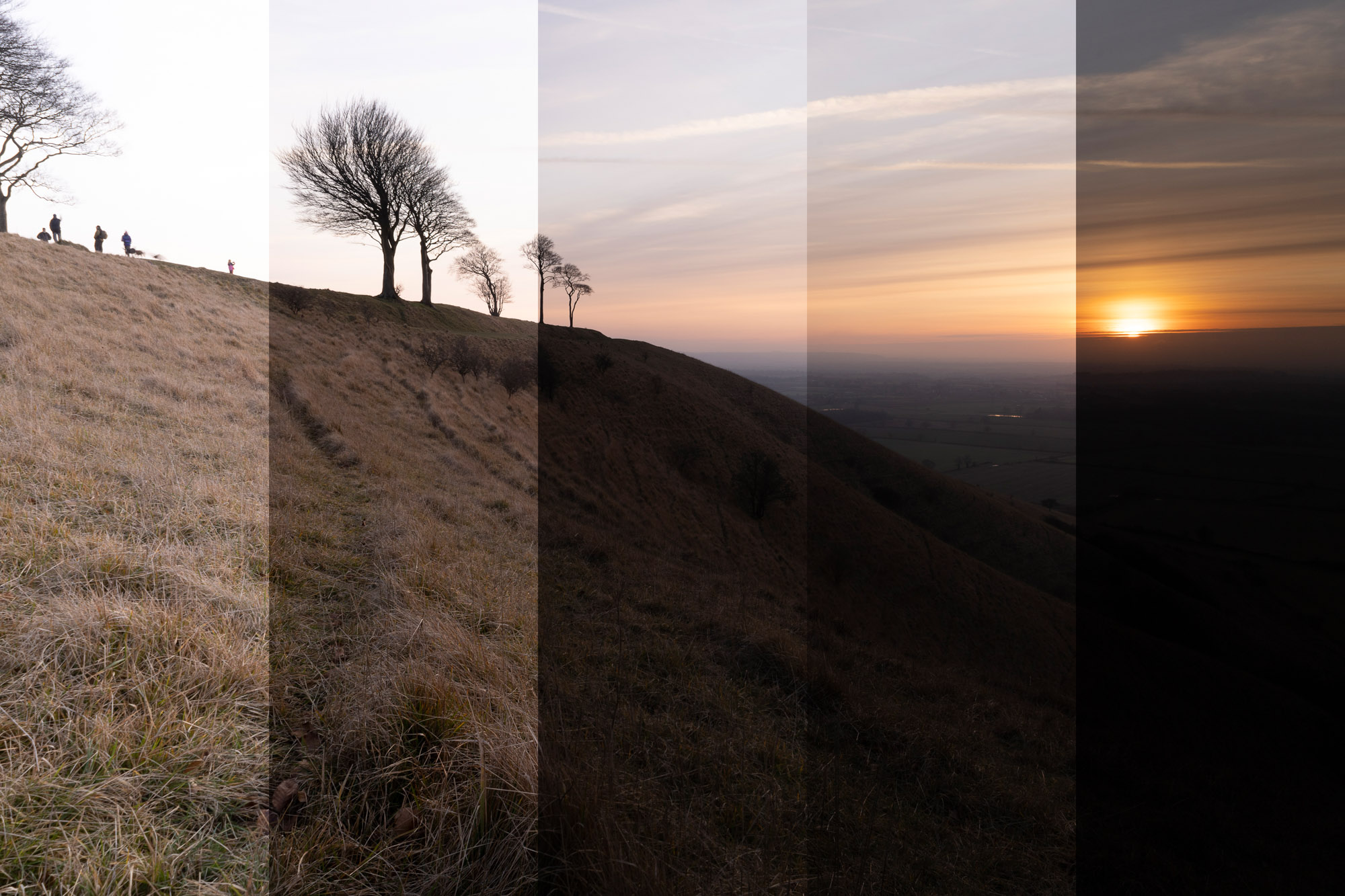
Dynamic range
(Photo taken from Google)
Dynamic range can be explained as a series of alternative renders of a single shot based on the amount of light. To explain more Imagine a single photo in the middle of a timeline. on the left hand size it would incrementally get brighter per photo. similarly on the right hand size each photo would get darker. Each render of the photo to either side is known as a “stop”
Together, that entire time line would make up the dynamic range allowing you to pick the exposure that fits your needs.
Guide depicting camera shots and angles (+ Lightroom)
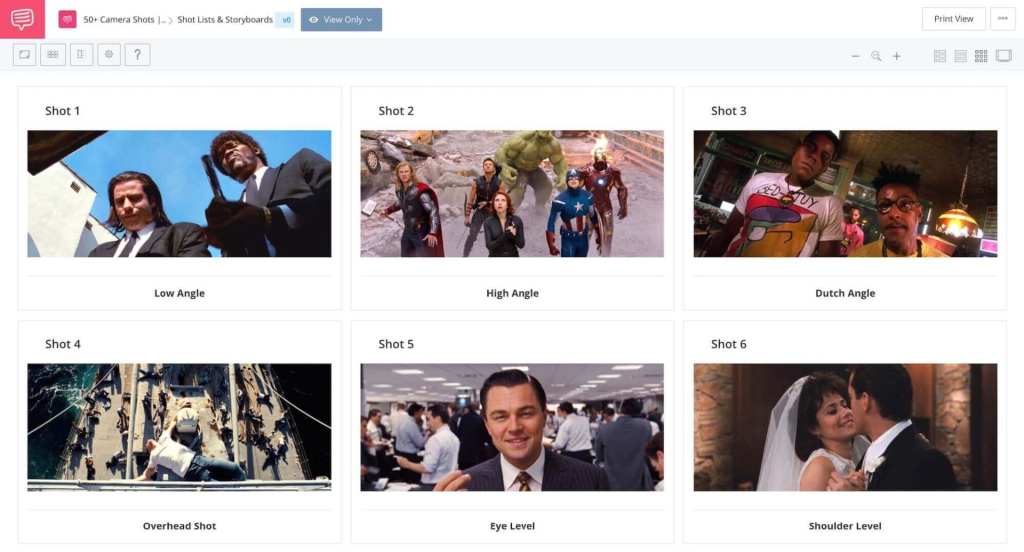
In todays lesson we delved deep into the concept of story boards and photo essays, why the are important and how exactly they can be used as tools to structure both our work or create a story through still images.
(Storyboard below taken from Google)
We explored the works of other students, companies and other examples to try get a grasp on what is to be expected when it comes to storyboarding.
To further ingrain our learning we as two groups storyboarded two ideas and presented them to the class before holding a vote to which one we would use to take real photos of following the guide of the storyboard.
IDEA1:
IDEA2:
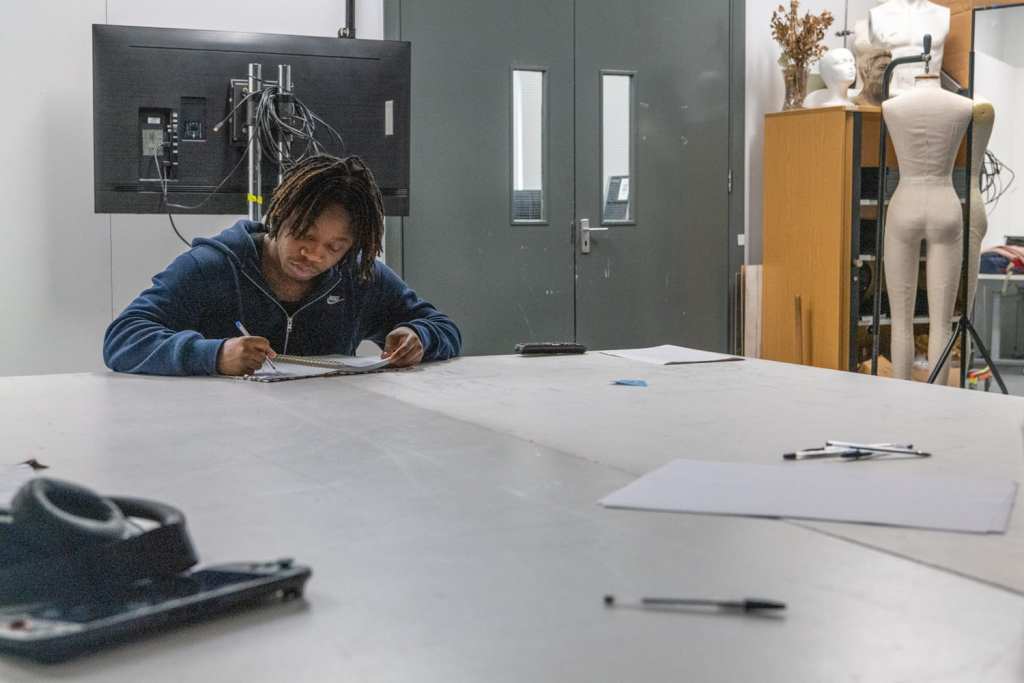
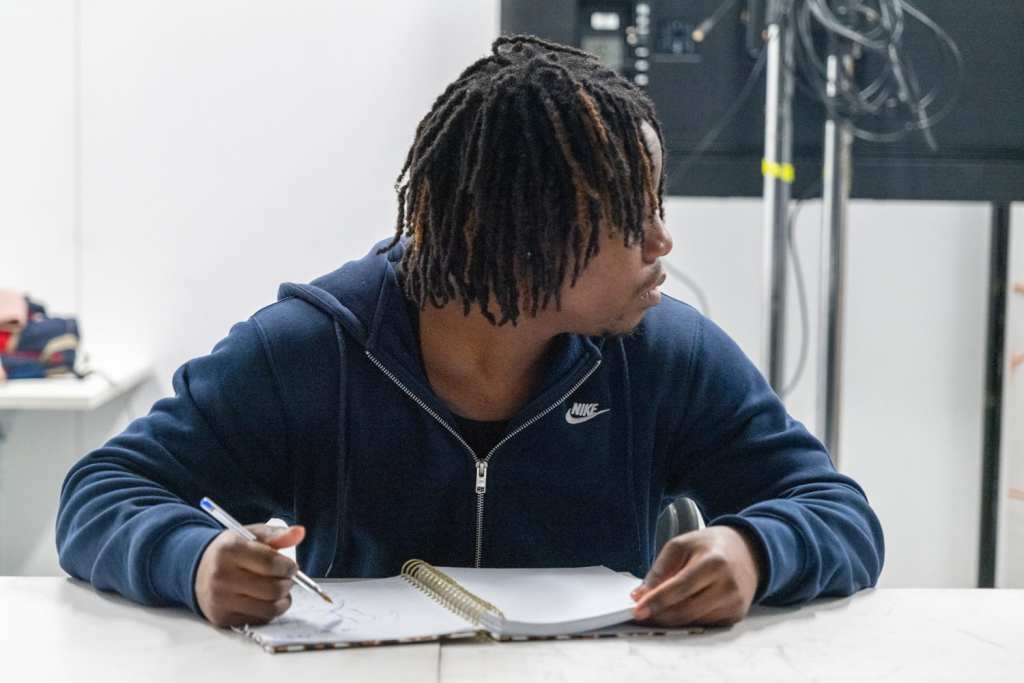
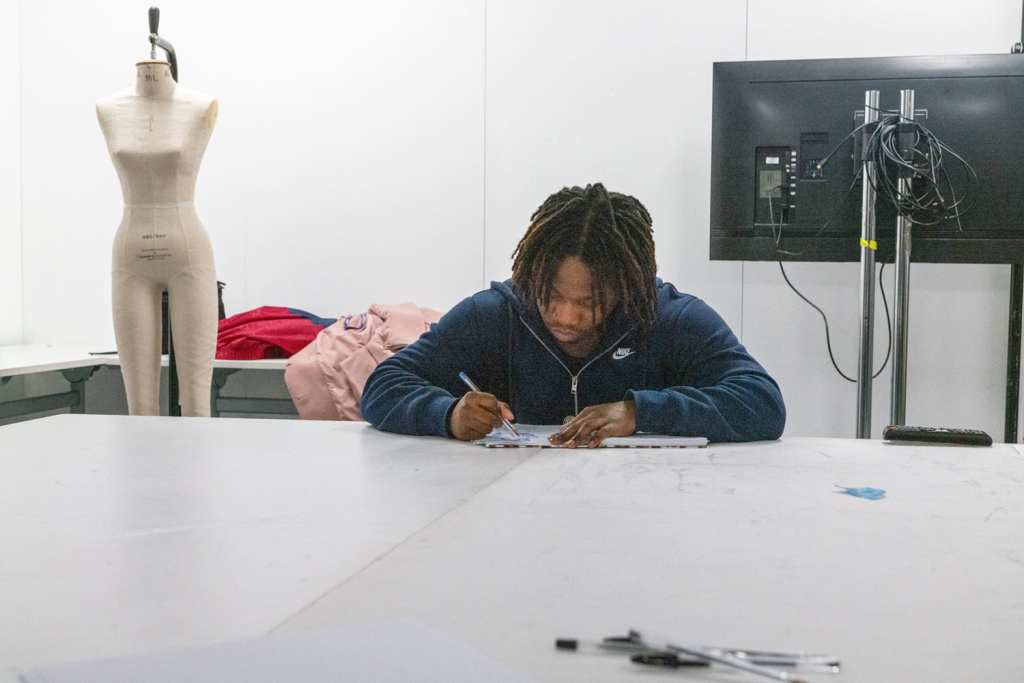
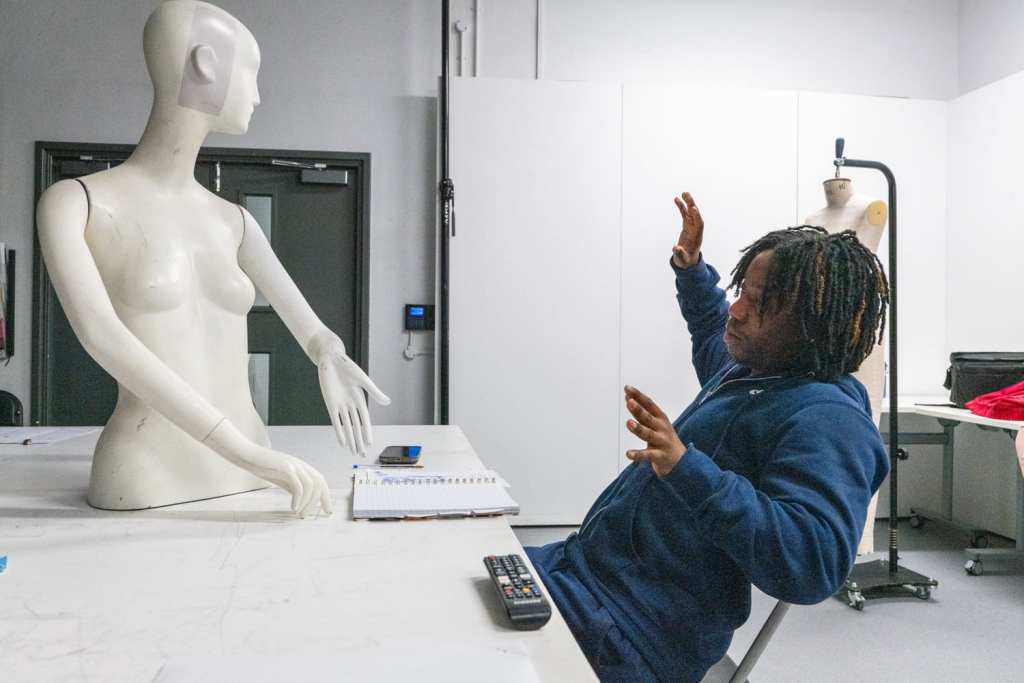
After the votes were tallied we went with option two. we proceeded appoint different roles. I was the talent. we also had a director as well other roles for other the rest of the class. We took shots that were in likeness of the drawings in an attempt to convey the story,
The story is of the a university student studying until he notices mannequin moving closer and closer while the lights flicker. the protagonist is becoming more uneased and nervous, building tension up until the big reveal.
Assignment 1 Brief – draft proposal
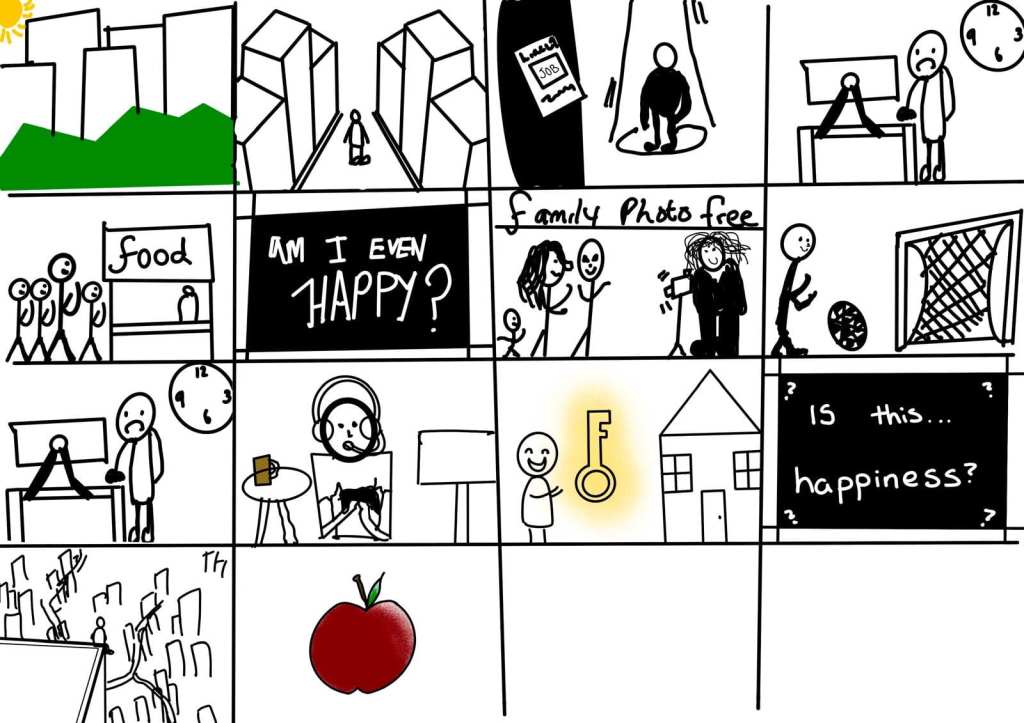
I the idea I’ve decided to settle on is an original story depicting the ideas of what it means to be successful, what types of success there are and what ones heart may actually desire. I’ve gone with this idea as its a topic I’ve always struggled with internally and I’m sure others do too. if I cant complete this assignment am I a failure? if I cannot get I Highrise apartment am I be hind my peers? my social following is low, am i unknown and irrelevant? these questions plague the mind…. but even if I had those would I be happy? what is it that I want?
SHOTS:
Establishing shots: WIDE DYNAMIC SHOTS OF A CITY.
Low shots: showing the buildings from lower and behind the subject showing how he’s smaller and wants to ascend.
close ups: showing the tension and emotion he feels
extreme close ups: showing the tension and emotion he feels
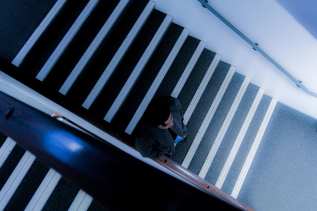
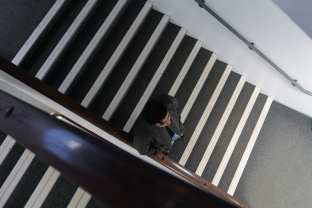
birds eye view: idea for this is a spiral stair case that shows subject at the bottom. metaphorical and symbolic.
shoulder level: the subject is reading about success or on a computer.
medium shot: showing a happy family
IDEAS AND THEMES
I want this to play out as a look into the mind of a person struggling with a sense of self and belonging.
and through the exploration of what life has to offer and the the joys of others our protag is able to find solace.
Week5: Sequencing
In this weeks lesson we were given feedback on our draft proposals and given guidance on what could be done to either further our ideas or help us achieve them.
– i
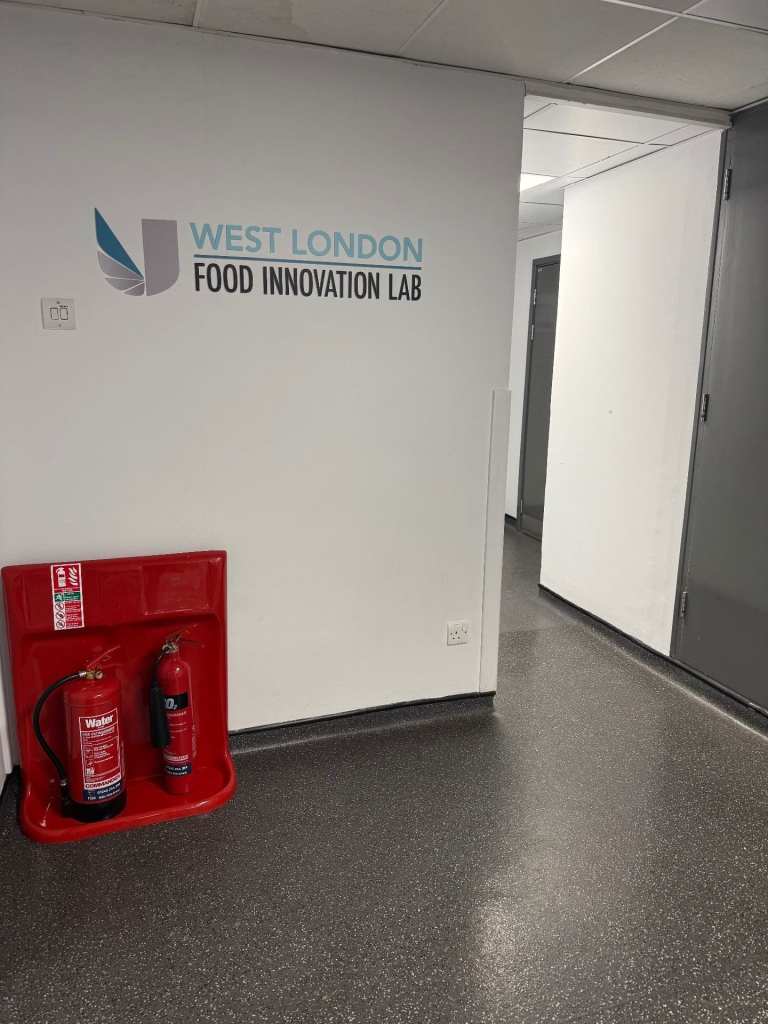
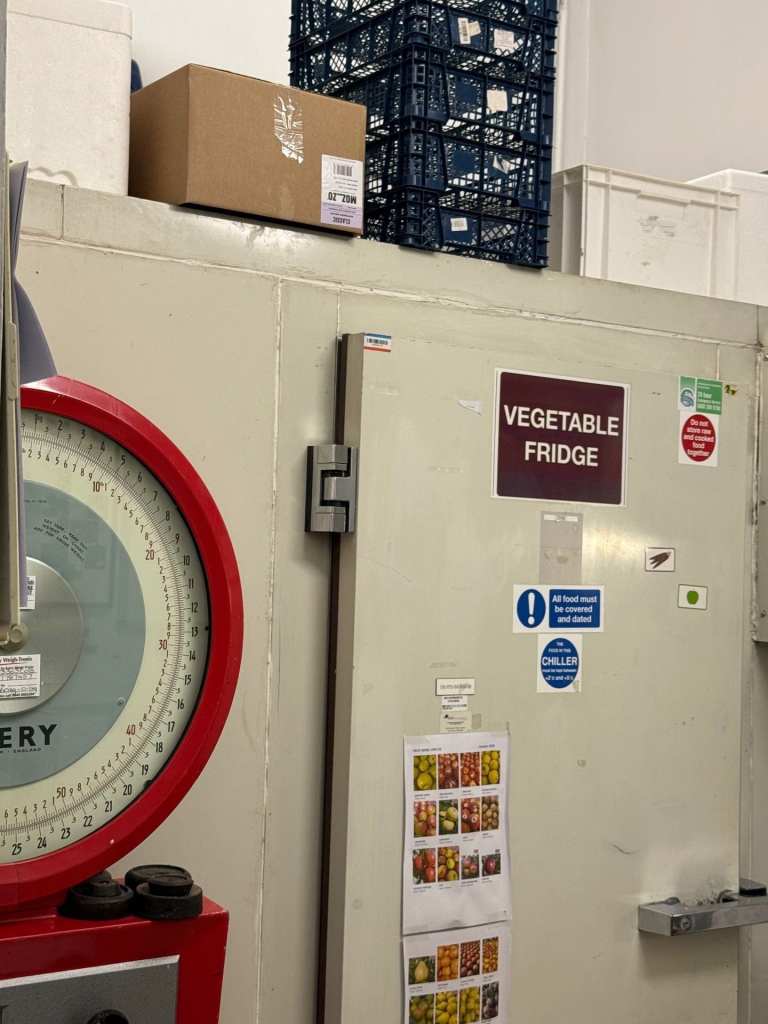
Above is camera shots we had taken in class to help us understand and practice sequencing. through taking pictures either with similar colours, similar themes or style of photo we can capture our audience and display a message or convey an idea without any words.
The shots i have taken show a stop of food and its journey within the university. through the use of red I am able to capture the focus of my audience and it subtly leads them through the journey.
storyboard
Week 6: narrative
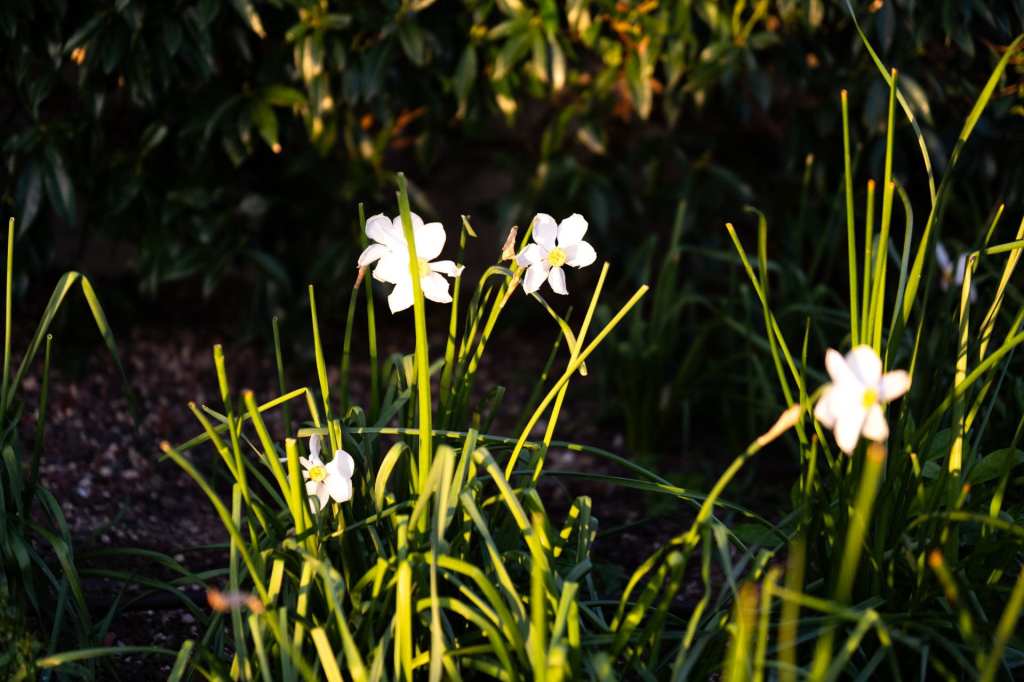
My thought process for these images was to have the centre piece/most captivating part of the image be what leads into the next image. The initial shot is of a bed of flowers, with the backdrop having some people and buildings. we don’t yet know who are what they are but it leads into the next shot with a university ID pass hanging of natures branch accompanied by nature again. building up ideas in the spectators mind, we know now a university pass is lost or has been left somewhere, there are students present. The following shot is of the same pass collected now dangling off a student similar to the nature shot with a slight angle showing the stature of the student to the university. they look strong and prepared. followed by a final shot of the university logo from yet another low angle showing how high and or important the place is.
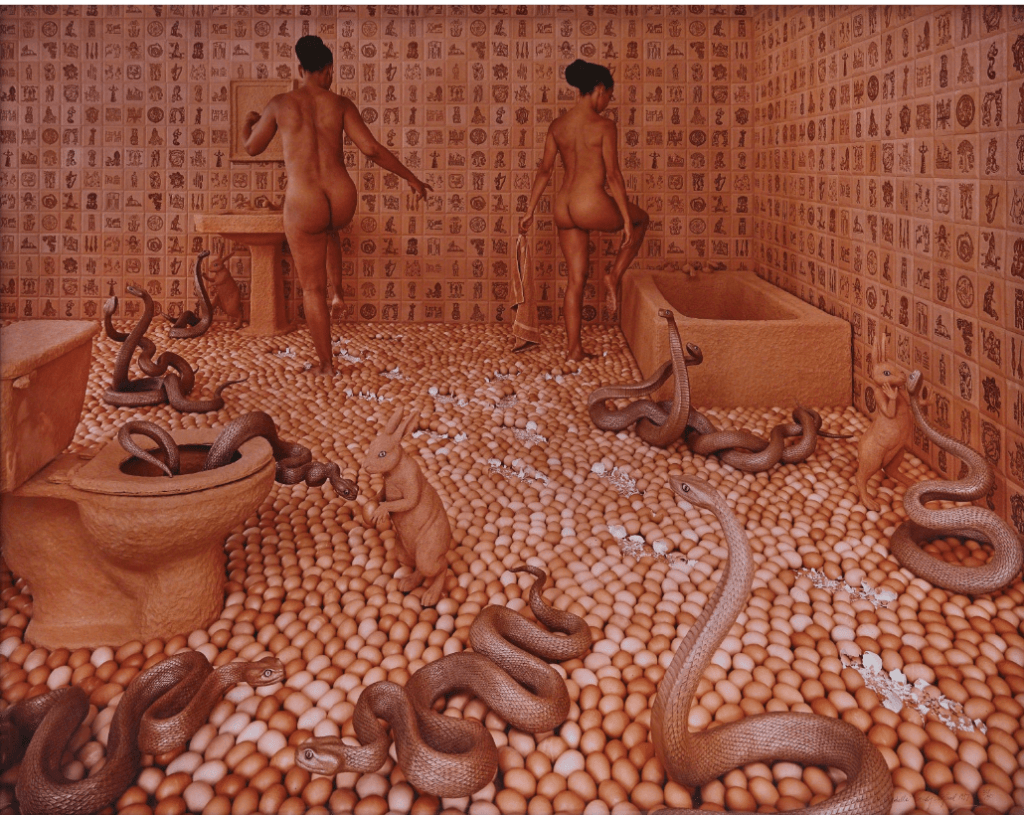
Research task: “Walking on Eggshells” (1997)
To begin this task I watched the video “Photographers in Focus: Jeff Wall”, it showed me that Jeff Wall likes to stage his images will maintaining a documentary-esque shot so that they many still appear authentic and mirror real life.
Moving on from this I researched photographer Sandy Skoglund, her method and work. she is one of many who attempt and succeed at portraying a narrative within a single image.
What mode of address is the photographer using?
I believe that she uses directorial mode of photography, it is clear that her photos are staged and incorporate handmade art, sculptures and performance despite it being still.
What is your reading of the story in the image? What is an alternative reading?
my reading of this image this that one person has reached out and the other is not paying attention. the snakes represent fear and apprehension, with the eggs representing the literal phrase walking on egg shells, which is alluding to uncertainty or some sort of oncoming problem.
An alternate reading could be that the snakes are the more honest ones and not who you must be wary of, after all snakes sliver not walk.
What are the cues that led you to that conclusion? (for example: gesture, flow of interactions, setting, context)
the fact that snakes are often associated with fear, punishment, uncertainty and also what leads me to these ideas is the name of the work itself being walking on egg shelfs which is a phrase for saying be carful, a warning, a sigh that a person is close to there limit or that trouble will soon be coming your way.
How would your narrative reading shift in a different context?
suppose the title was different or that there was no people in the short, it may change the way I interpret the significance of the eggs. due the the change in context I may not make the same readings I have been lead to.
Week 7:
in this weeks lesson we looked at the different ways of delivering images in a sequence to portray a narrative or to convey ideas.
This includes:
linear sequencing
conceptual sequencing
out of order sequencing
These different types of deliveries allow for messages to be delivered in a myriad of ways and allow for many interpretations based on the viewers of experiences and life.
TASK ONE:
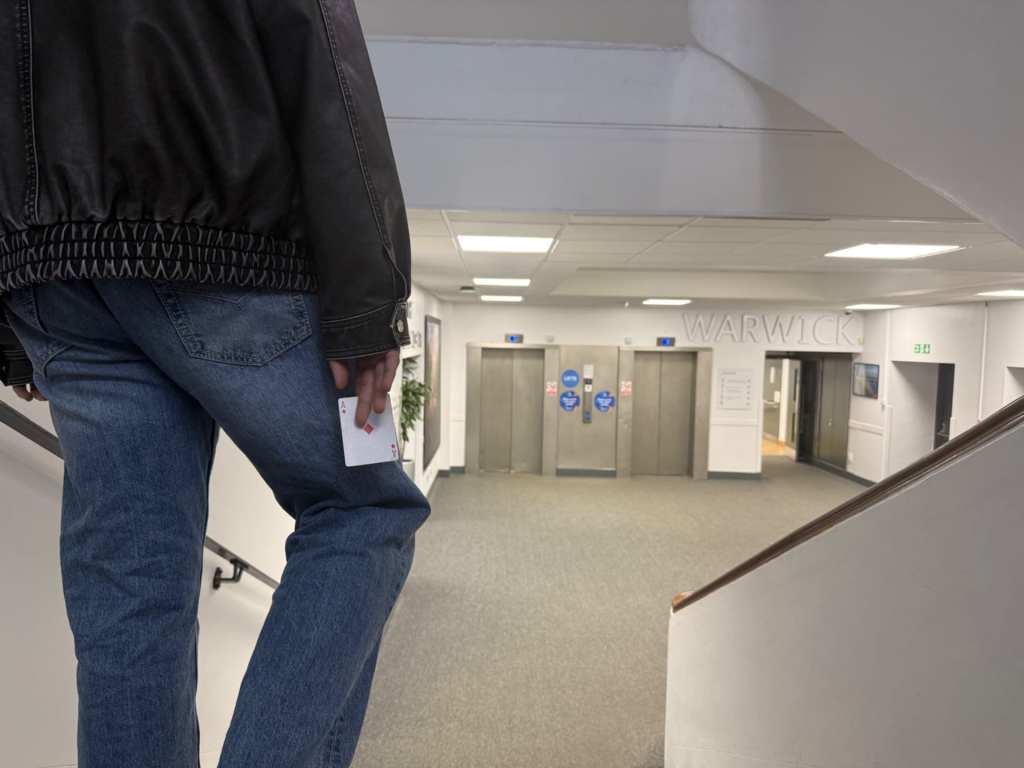
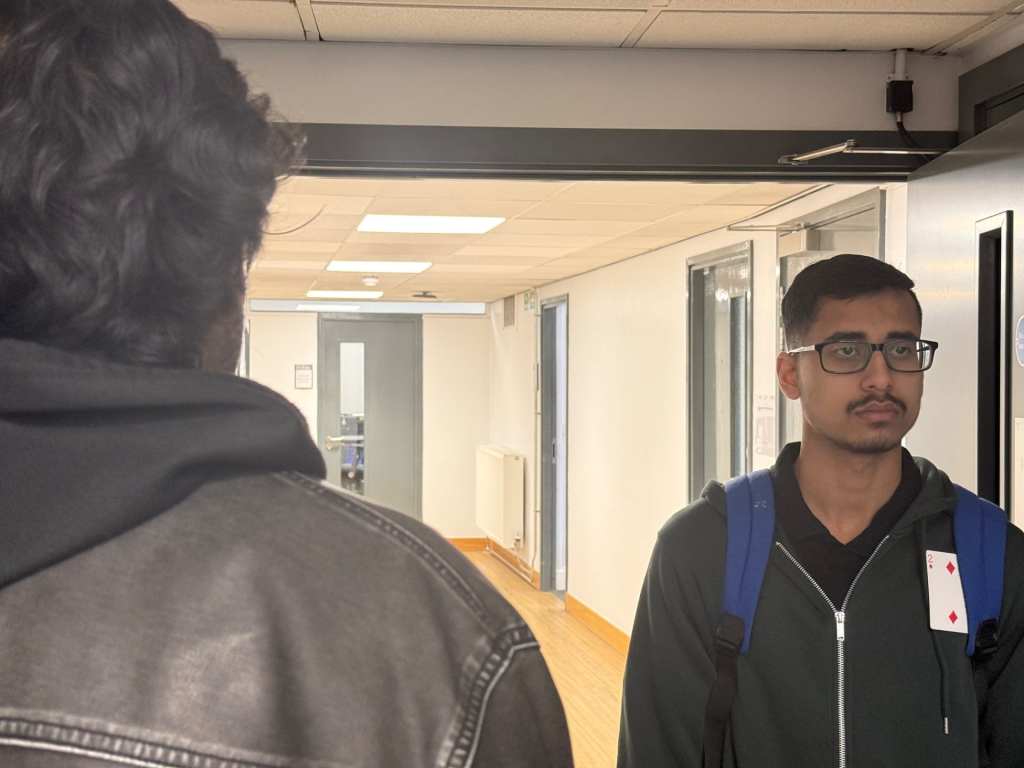
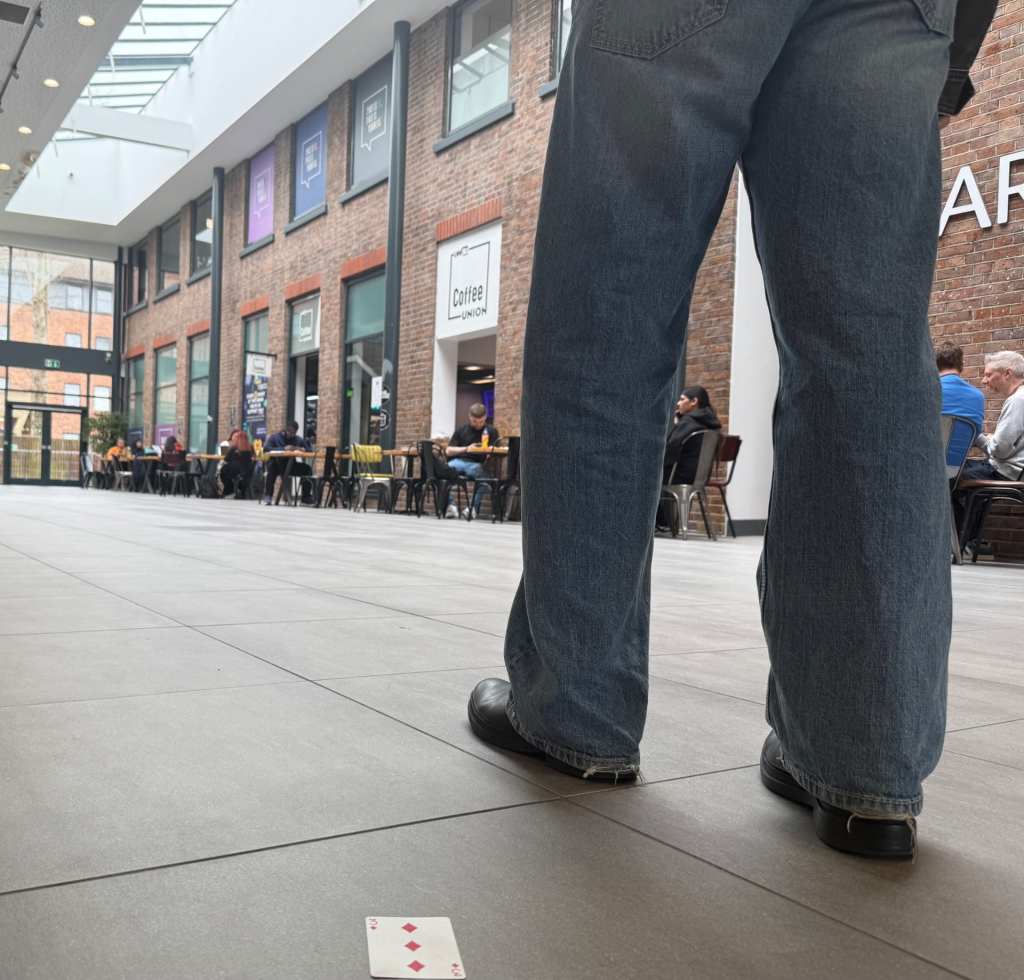
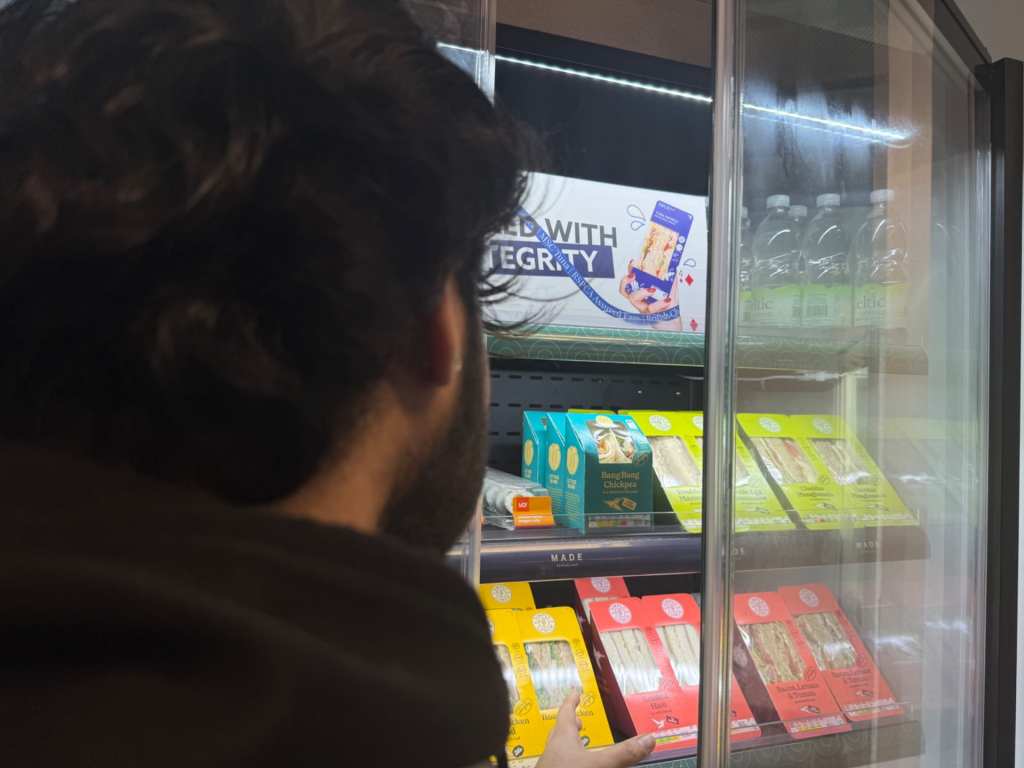
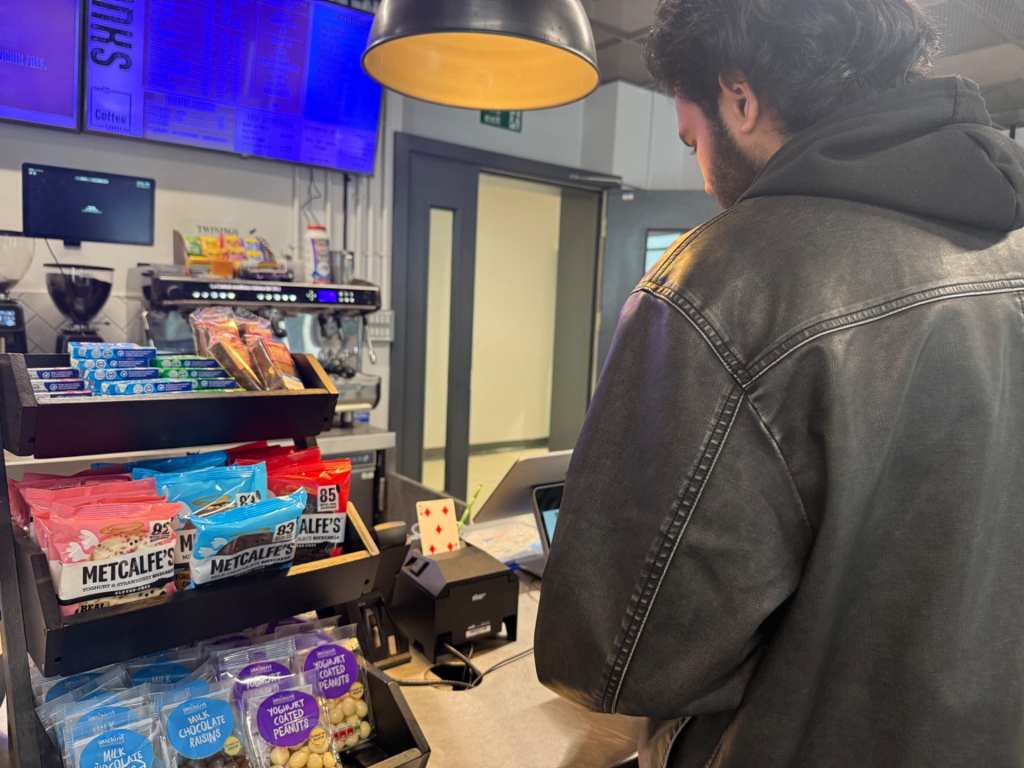
For this task we was challenged with creating a sequence that is both linear and depicts progression of a story to an audience. I went with a real event following a student around campus with playing cards appearing in each frame symbolically showing his progression along side the increase in the number card.
The class then shared each of there ideas and gained feedback.
RESEARCH:
Next I looked into photographers who used similar methods, framing and ideas as what I would be hoping to do with my assignment.
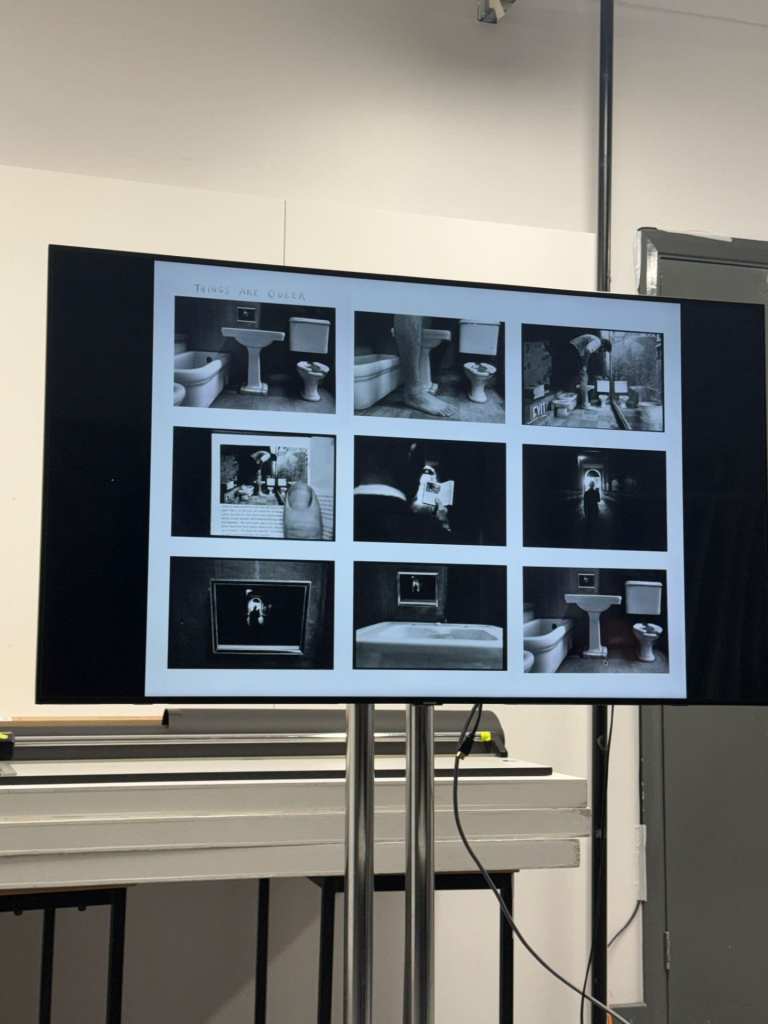
Above is the work of Duane michals, I liked the way in which he has used perspective to display ideas and convey a sense of distortion or unknowning before a big reveal. Knowing that hindsight is 20/20, it is pleasant to view the work back knowing the twist and being able to appreciate how the twist is hidden inside of the work
Assignment 1:
SELF REFLECTION PT1/ Change of ideas
To begin with id like to start with my self reflection as it is integral to understanding the drastic shift in my approach to my assignment. I originally planned to explore the themes of success and what it means to be successful and how often times we over value monetary success as well as the ascension up the corporate ladder. I wanted to depict scenes of joy outside of work such as family events, gaming with friends, playing football, going home after a long day while simultaneously showing signs of fatigue and sadness at work and the stress of a job hunt we must all go through. However i ran into a few different problems, firstly i was very difficult to find a place of work that would allow me to enter and take shots while they were working. I could have easily brush this problem by doing it in a class room or at my desk at home however i wanted my shots to be authentic and doing the shots in those locations may have changed the context in frame and the message my not be as clear.
self reflection pt2
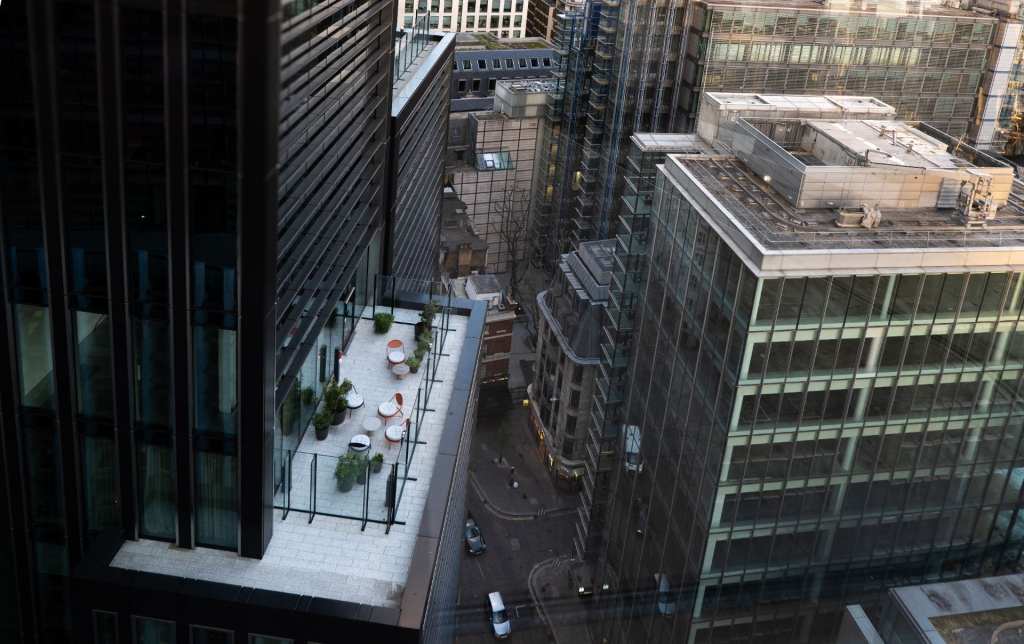
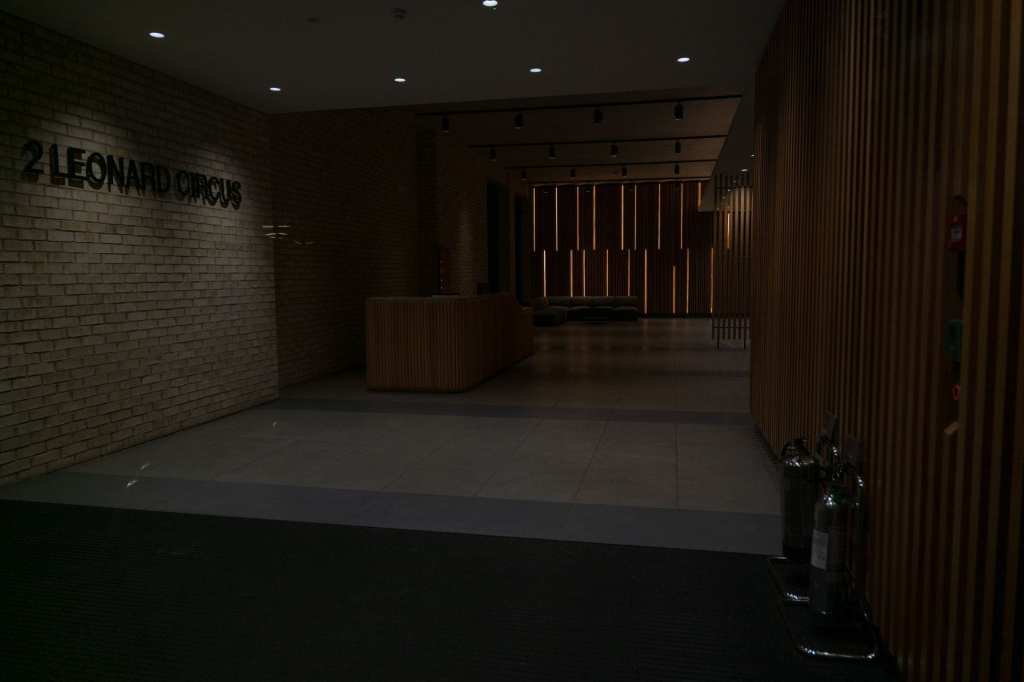
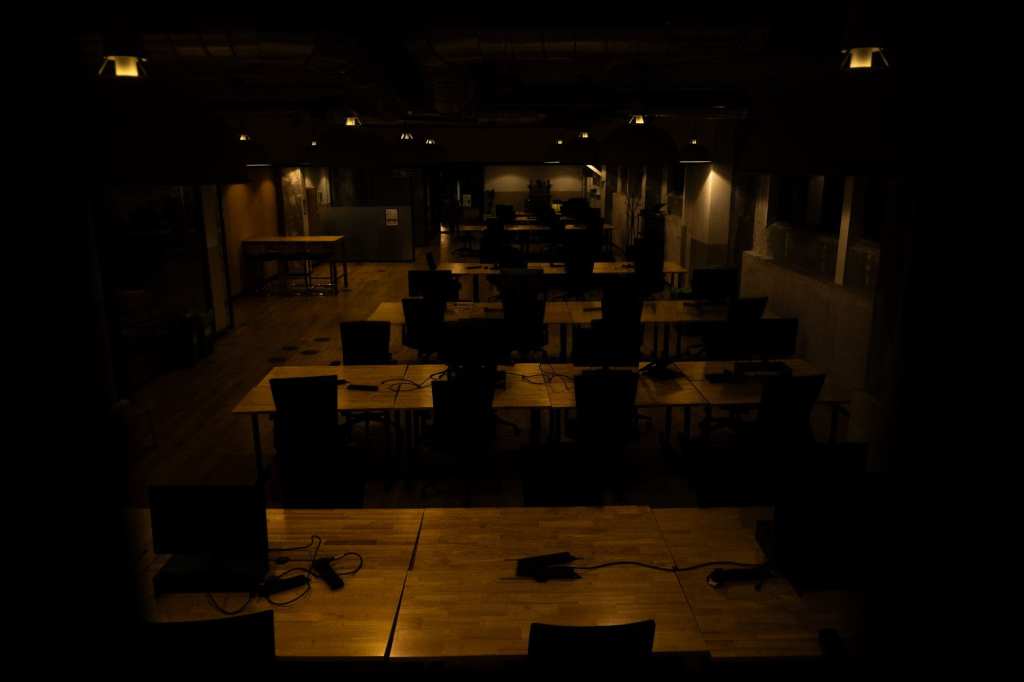
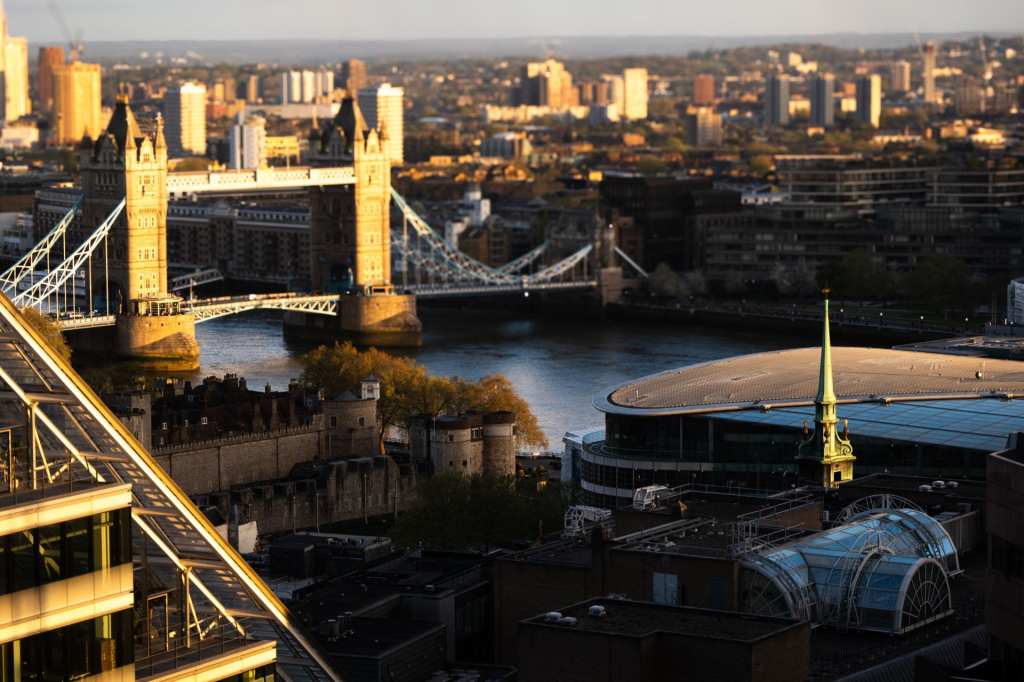
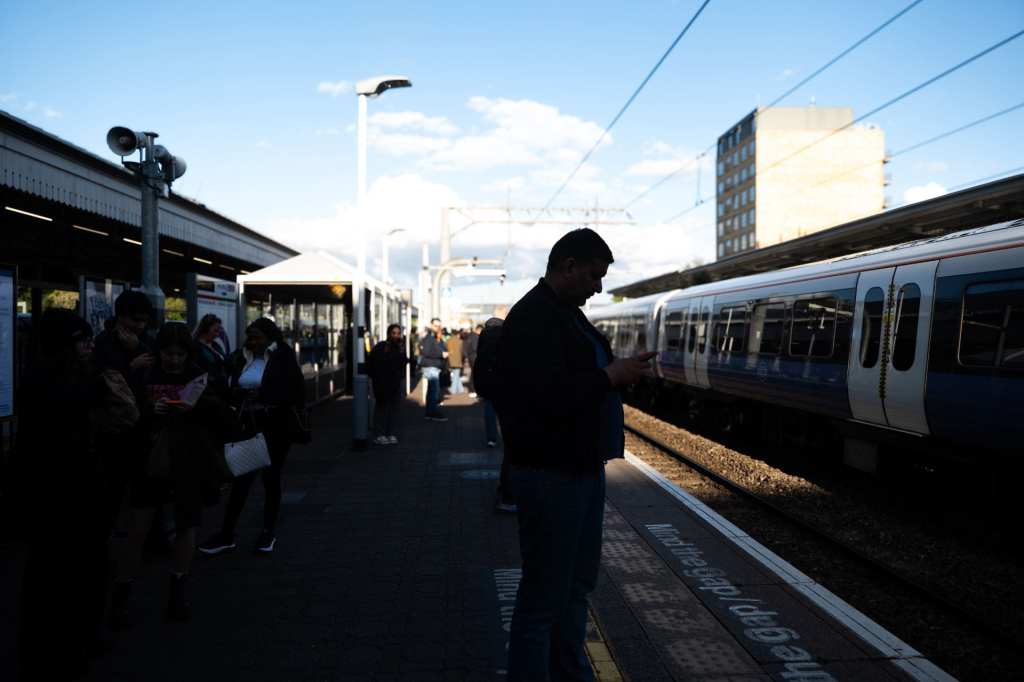
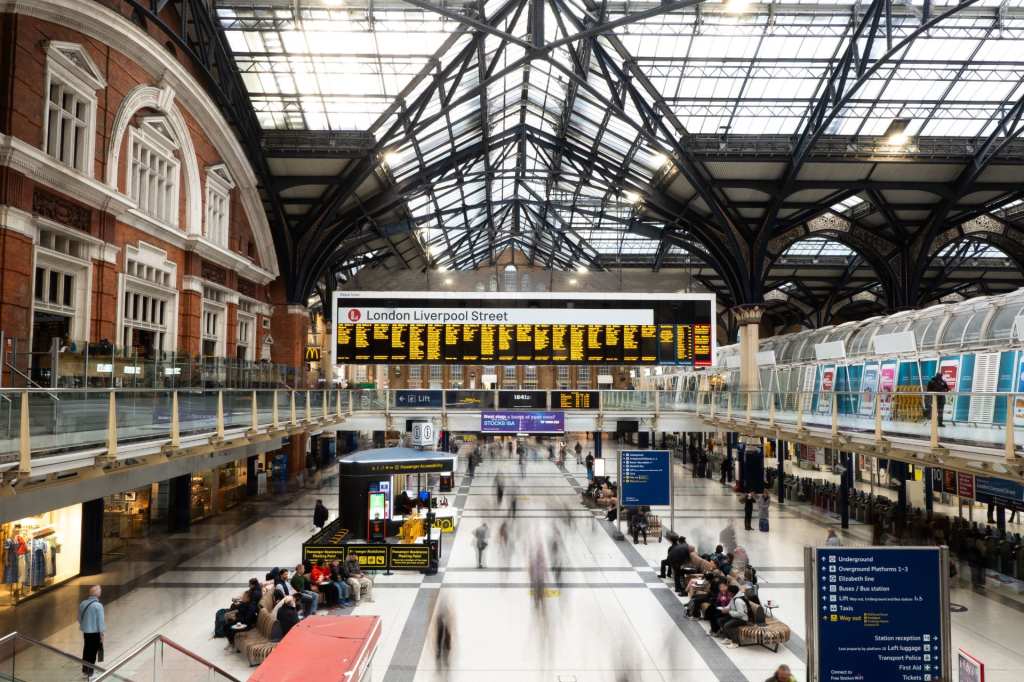
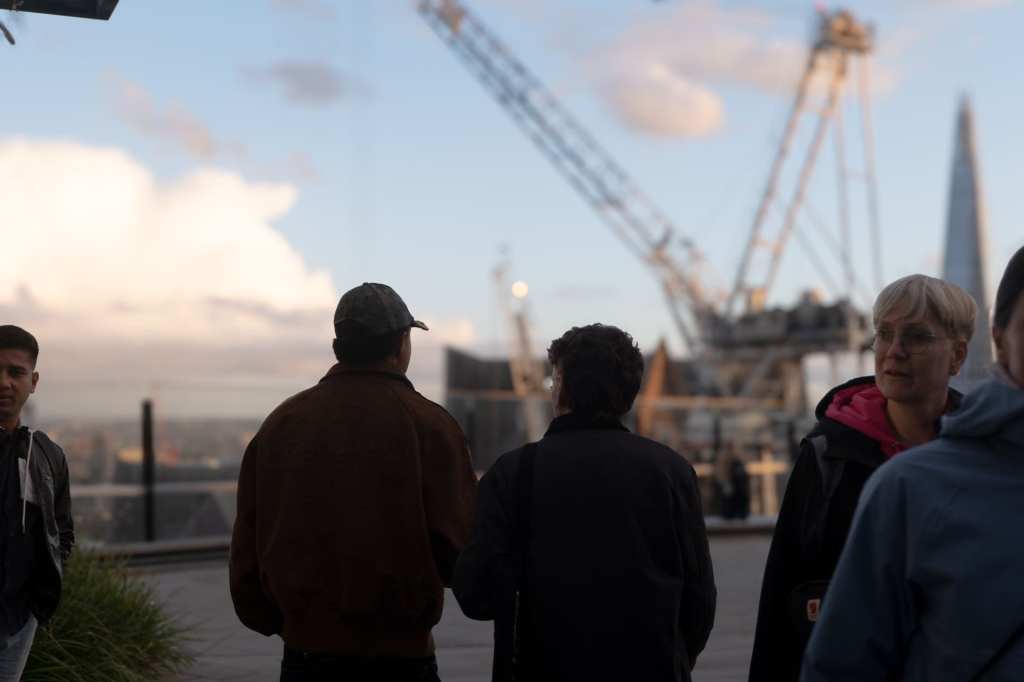
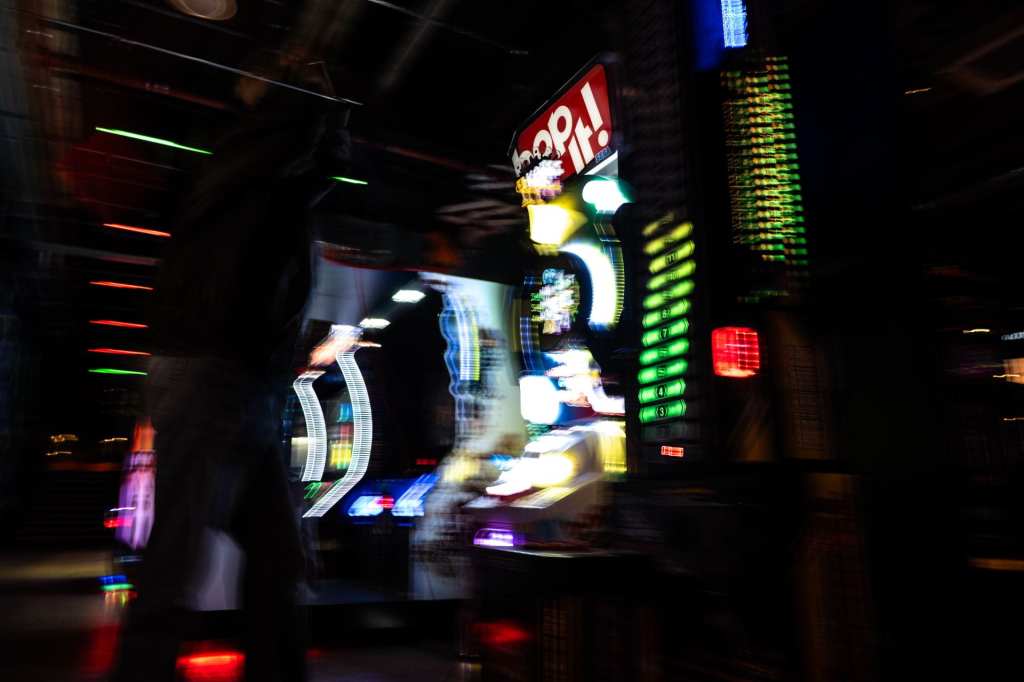
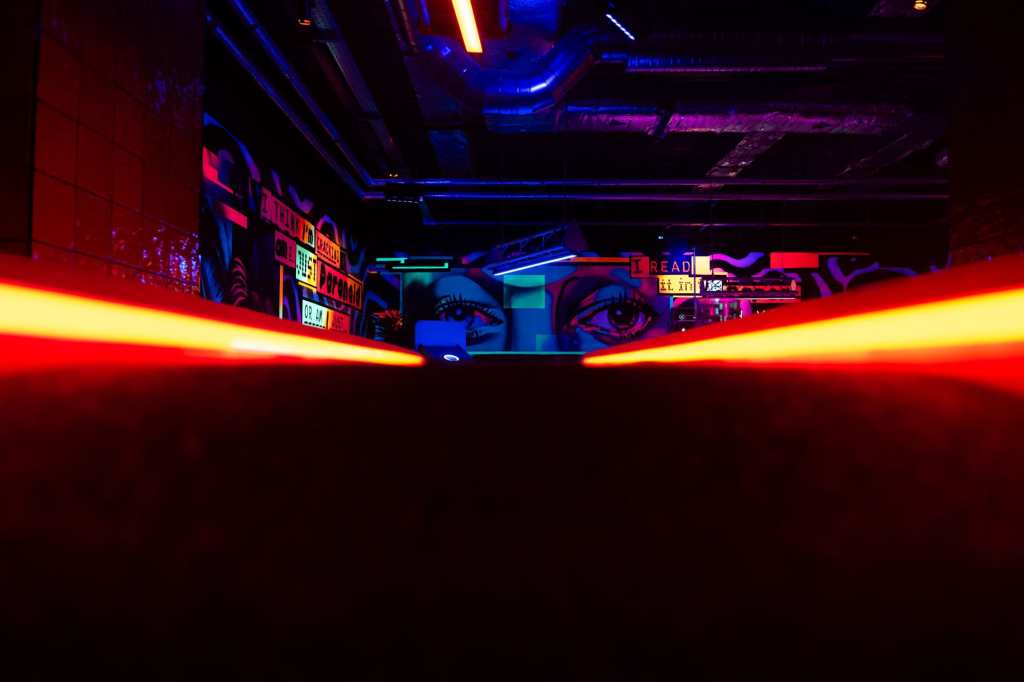
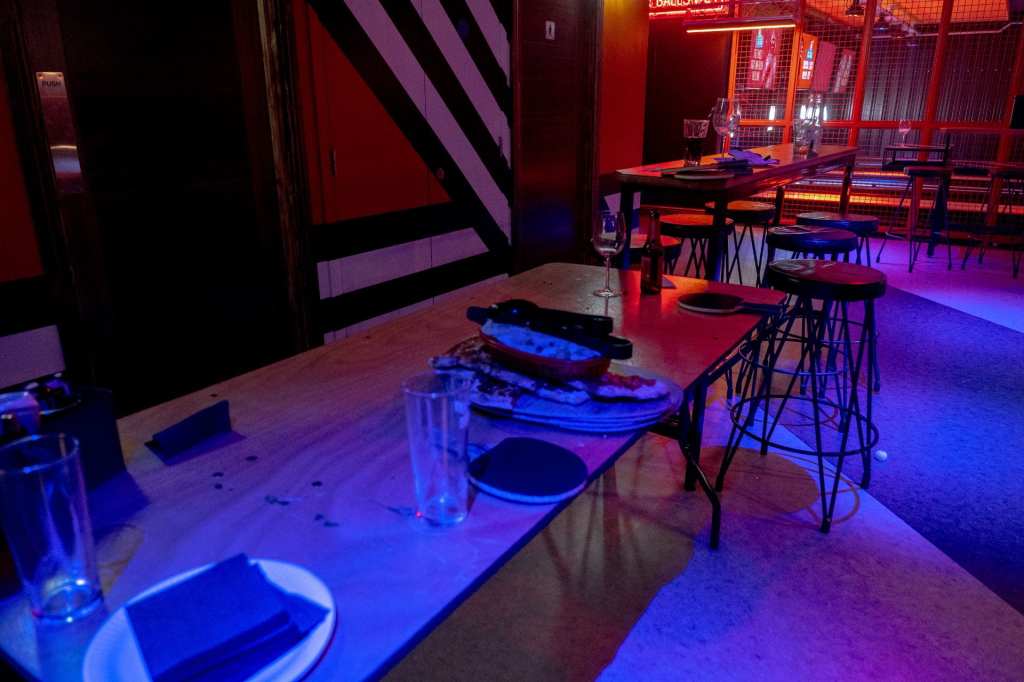
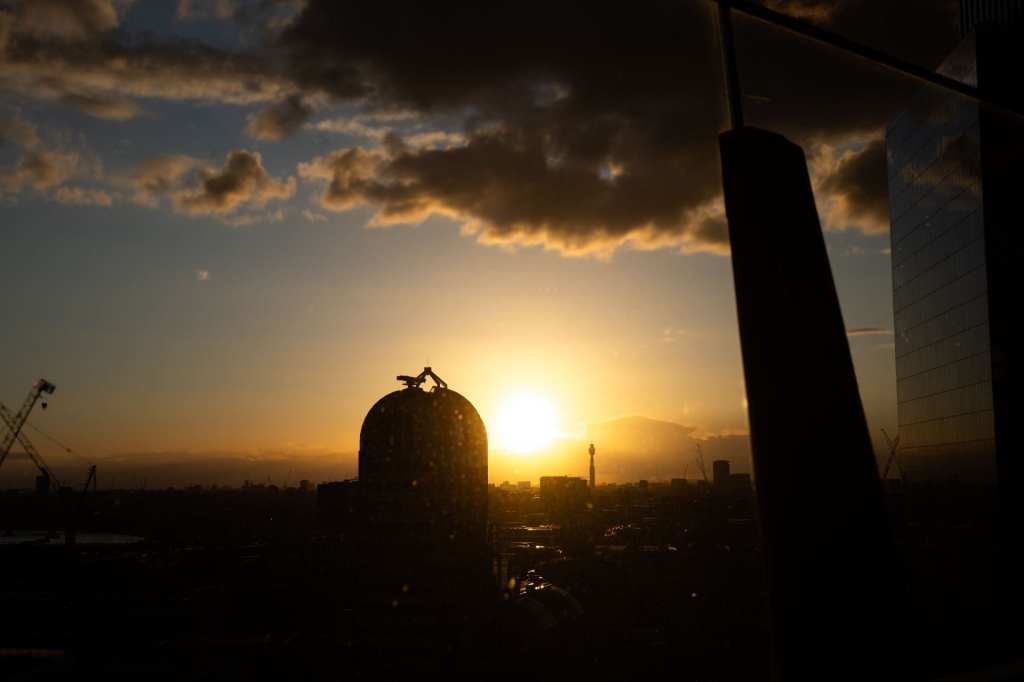
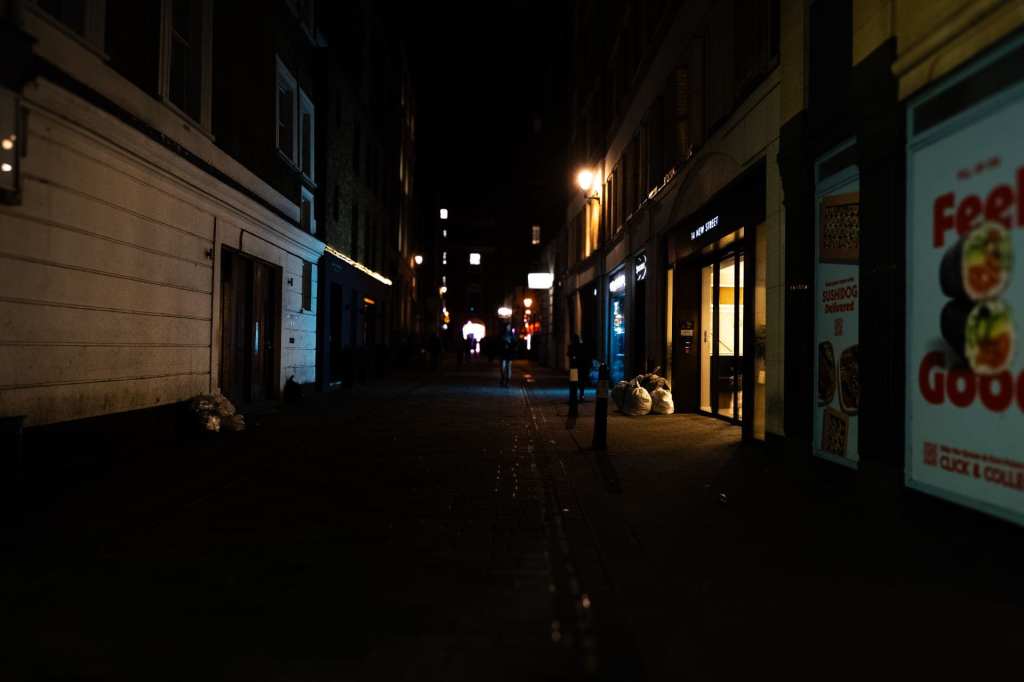
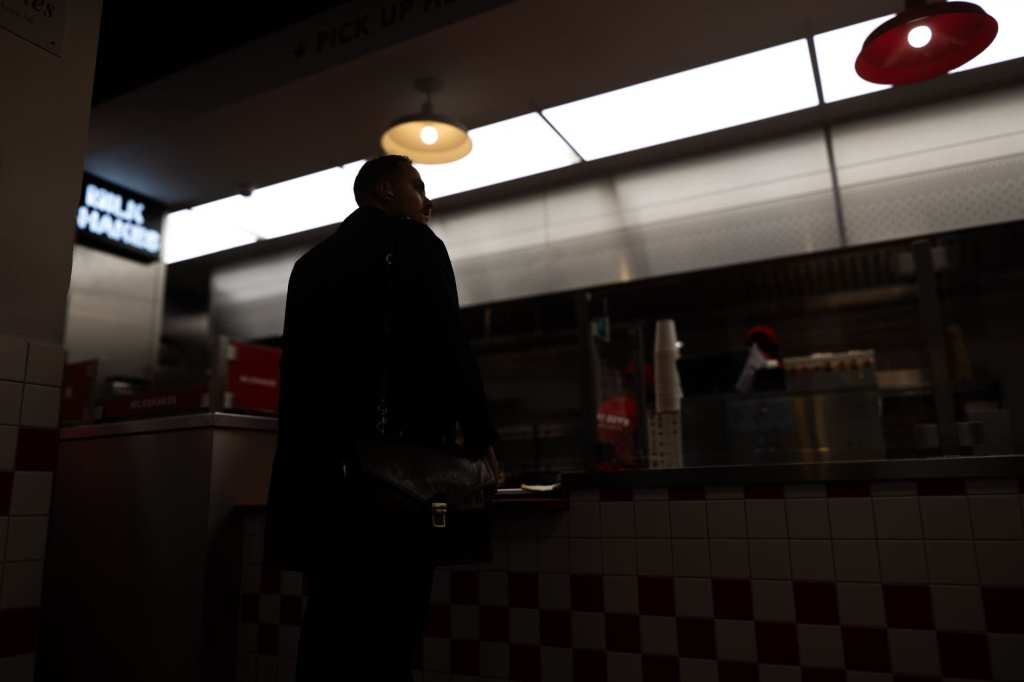
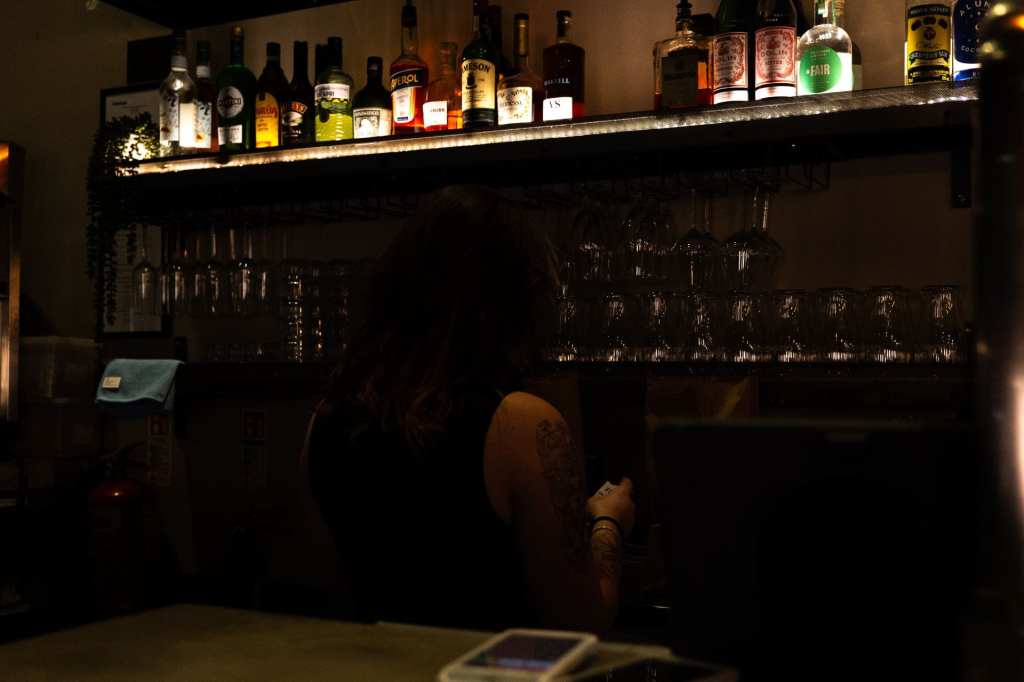
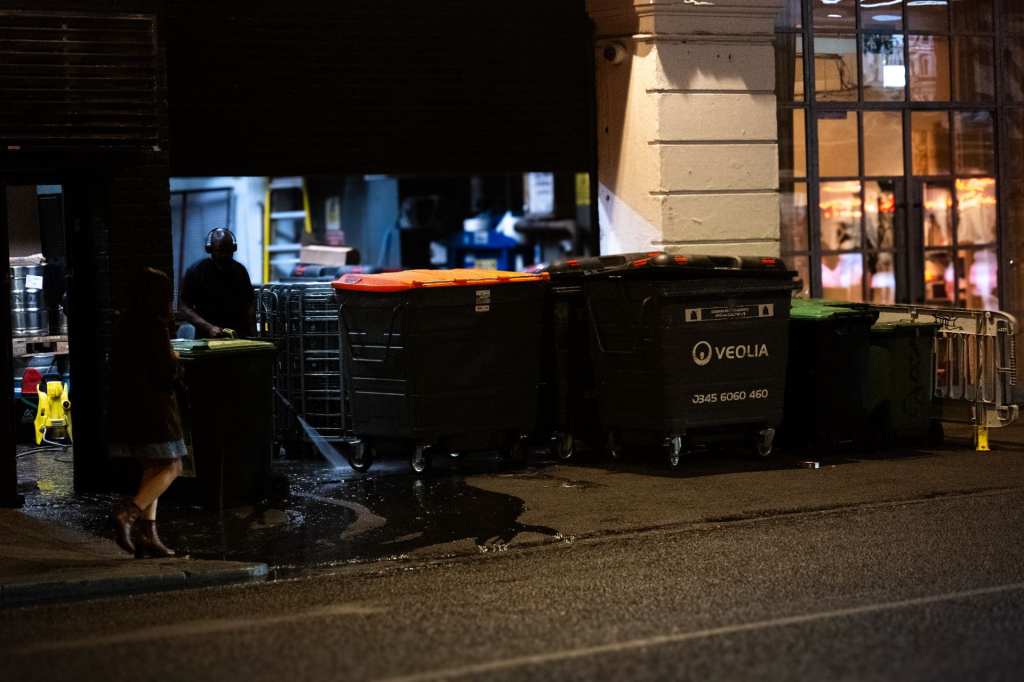
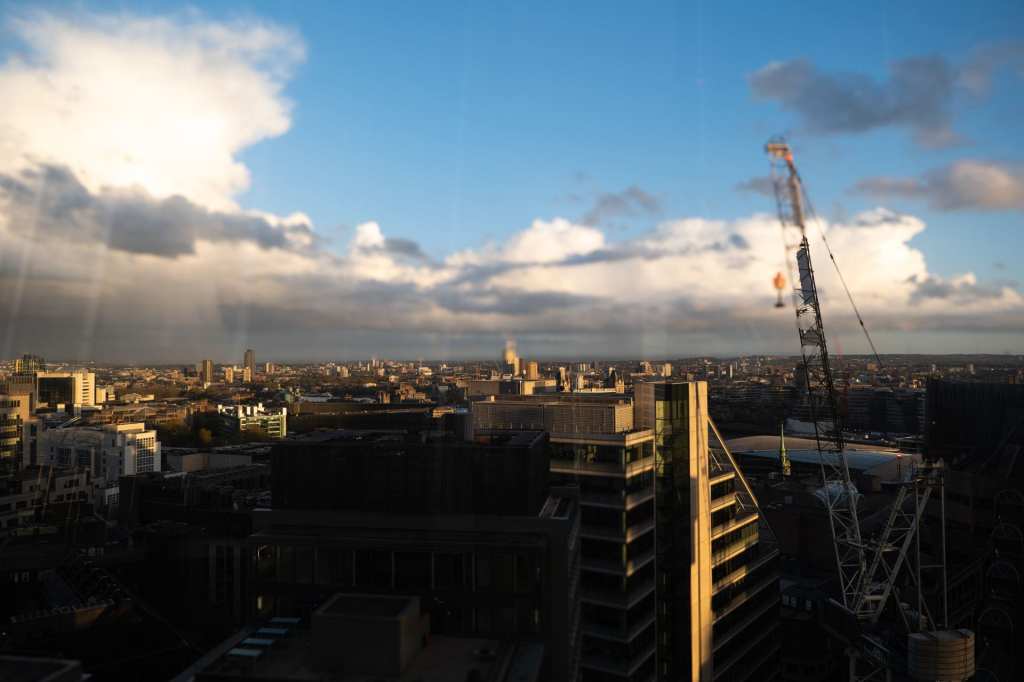
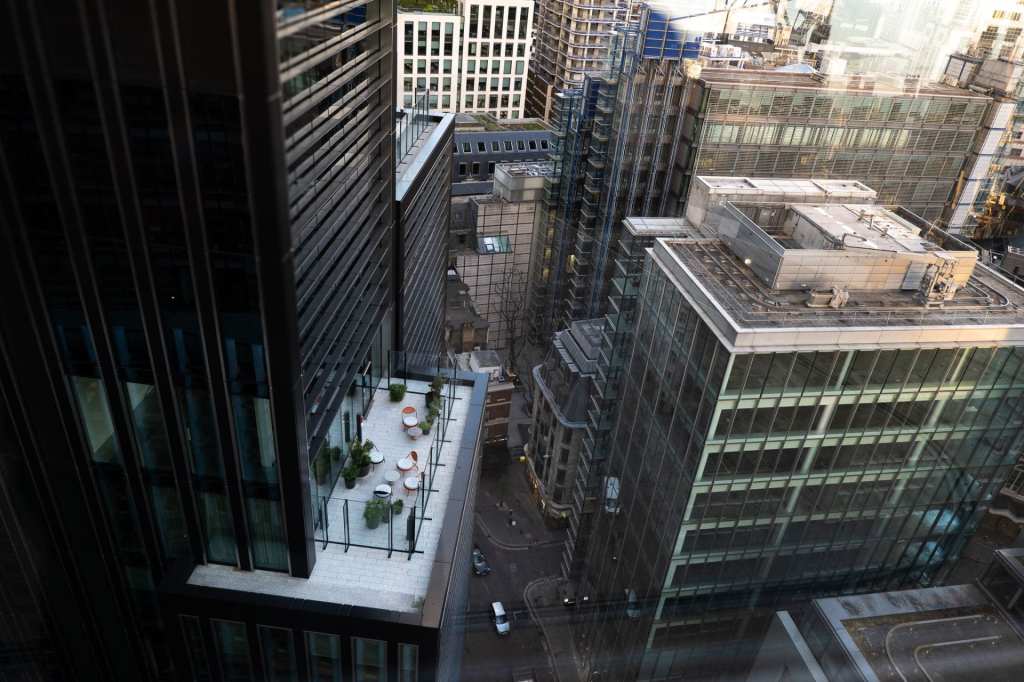
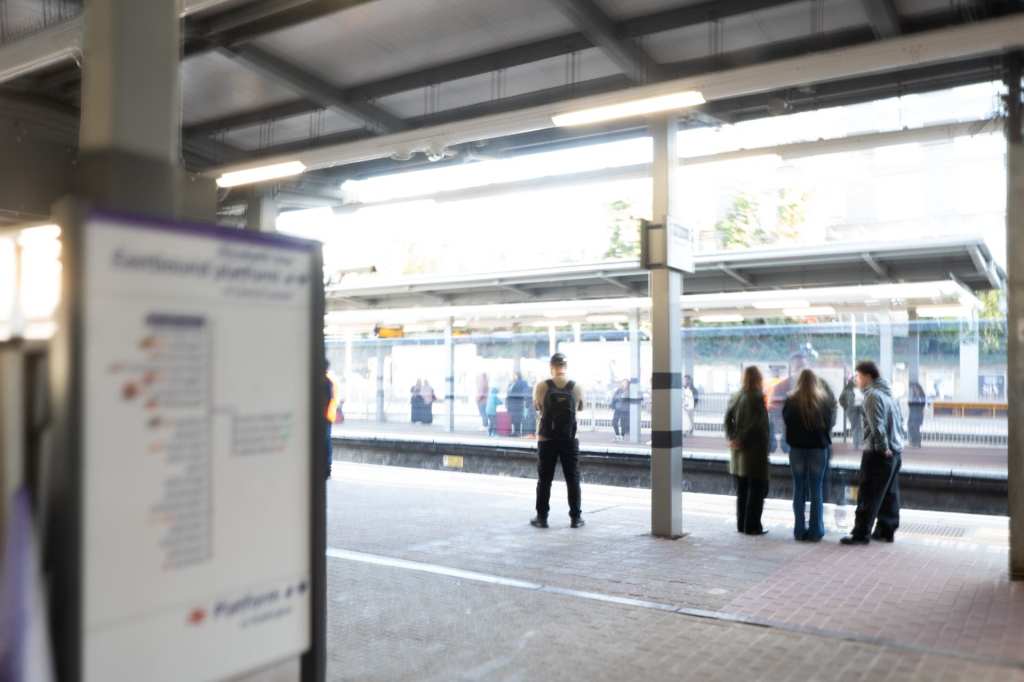
I still liked my idea and so i took the shots i had originally planned, for the most part. As i did a new idea dawn upon me, throughout my shots during the day, less and less people were around me, ironically wrapping me with a feeling of loneliness. In a city this big with several attractions, food places, tourists and shops filled with eager customers as night falls the isolation creeps in. This gave me the idea of exploring being alone. More specifically shots of how we transition from plenty of people around us to being alone, swapping between the two opposites as the day progresses. Waling a thin line between alone and lonely. I took shots of shopping centres, food stalls, establishing shots of the city, lonely late night take outs, empty workplaces, closing restaurants and left over food from the recently departed customers.
This abstract piece is not to describe or imply a message about emotions but a highlight and acknowledge of the closeness, the alone moments and the loneliness that follows us throughout the day.
“Alone – Wake up…”“Alone – An early start”“Alone – Work is over”“Lonely – A lunch time spent with only a view”
“Surrounded – The commute”
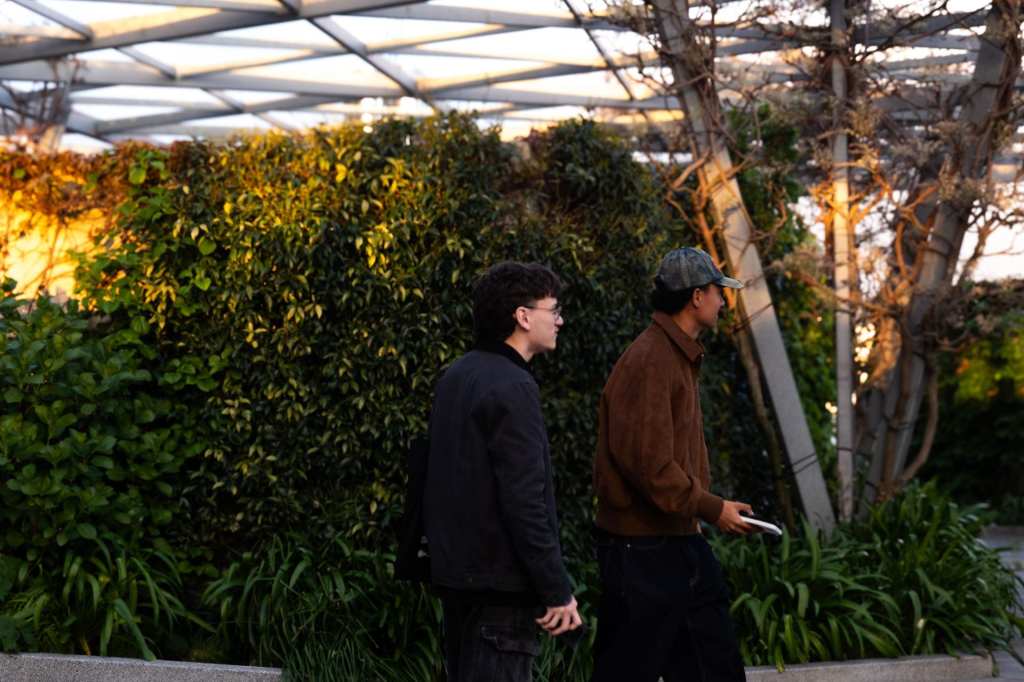
“lonely – people so close and yet so far away”“Surrounded – A time spent with friends”“Surrounded – Just us walking”“Surrounded – The arcade”“Surrounded – Shared fun”“Surrounded – A meal shared”“Surrounded – As days end draws near”“Alone – Everyone has left”“Alone – one more bite”“Lonely – One more drink”“Lonely – Its time to go home”
“Alone – Its about time I sleep”
“Alone – Good morning, Lets do that all over again…”
FURTHER ANALYSIS:
I believe my assignment 1 has come out very well especially considering i changed from my original idea and scrapped most of my storyboard as well as the story direction. Viewing the work back and trying to be non bias i think that the idea being convey is very easy to grasp especially with the notes behind each picture serving as a sort of internal monologue of the person whose point of view we are following. we don’t know their gender, we don’t know their age, we don’t know exactly what they do for work. BUT that is perfect because the idea is that it is all of us at some point, we can all relate. From the late night bite to eat, the shared meal with friends, that feeling of loneliness as you walk home without friends after a good night out and the feeling of seeing an empty office as you clock out last for work.
Images i changed:
Changed the POV of the building above
removed these images completely
Week 8: Lighting
In todays lesson explored lighting how a story can be given meaning or depth based on the shadows or light in the image.
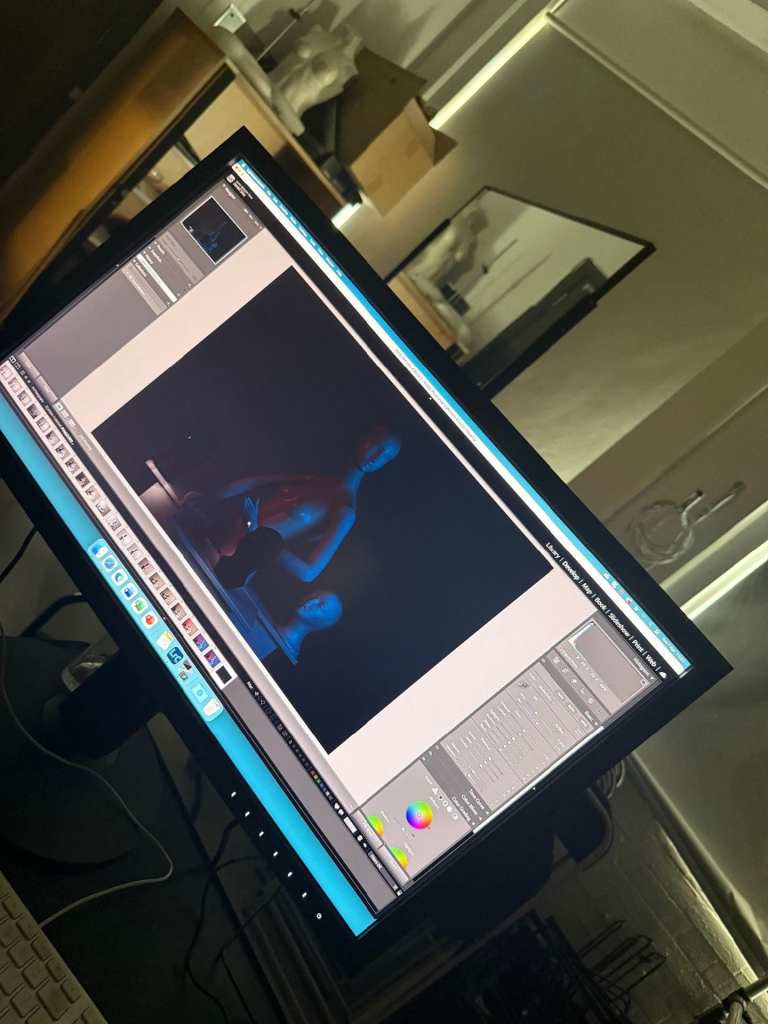
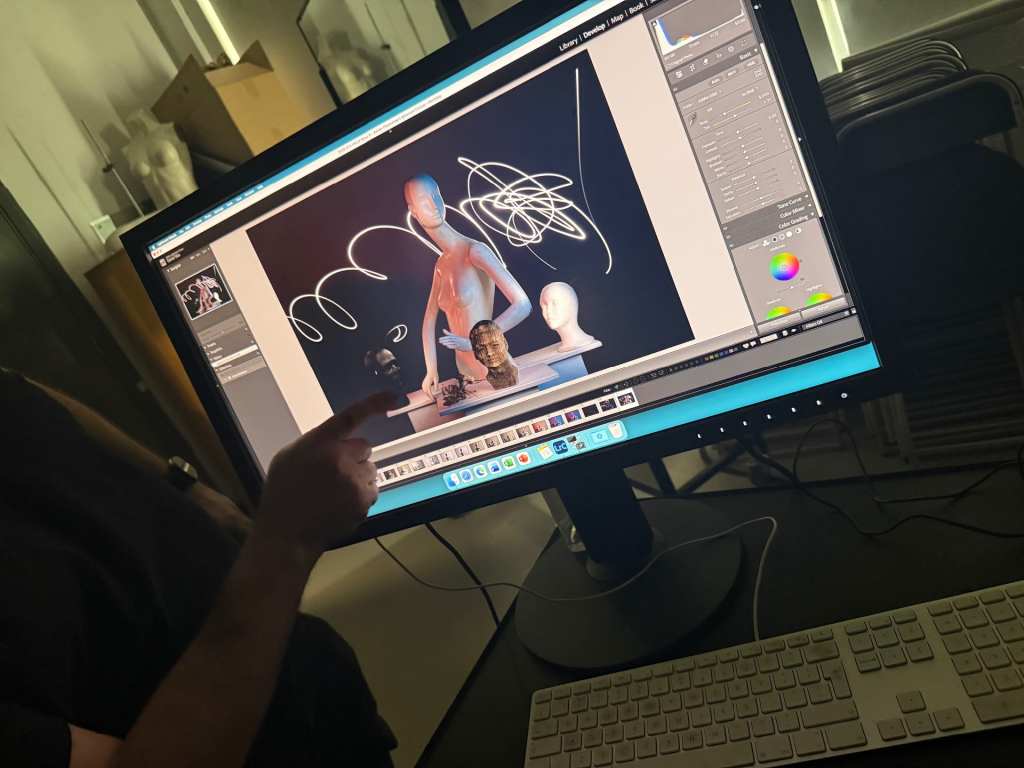
we also look at how we can manipulate the shutter speed to capture light and created ghosting, light paths and brightness on some objects.
The above images look more like professional photo shoots and while people maybe ascribe meaning to them the aesthetic gives us general ideas about what it is were looking at.
The last three images look a lot more cinematic and strip away the standard professional photography studio aesthetic.
looking ath these three images you can see that each of theme can tell there own story despite only the light and shadows changing.
the darker one is much more sinister and darker meanwhile the lighter ones give of a sense of intrigue.
This perfectly shows how the manipulation of the camera and light can help us achieve differing results just by changing small details
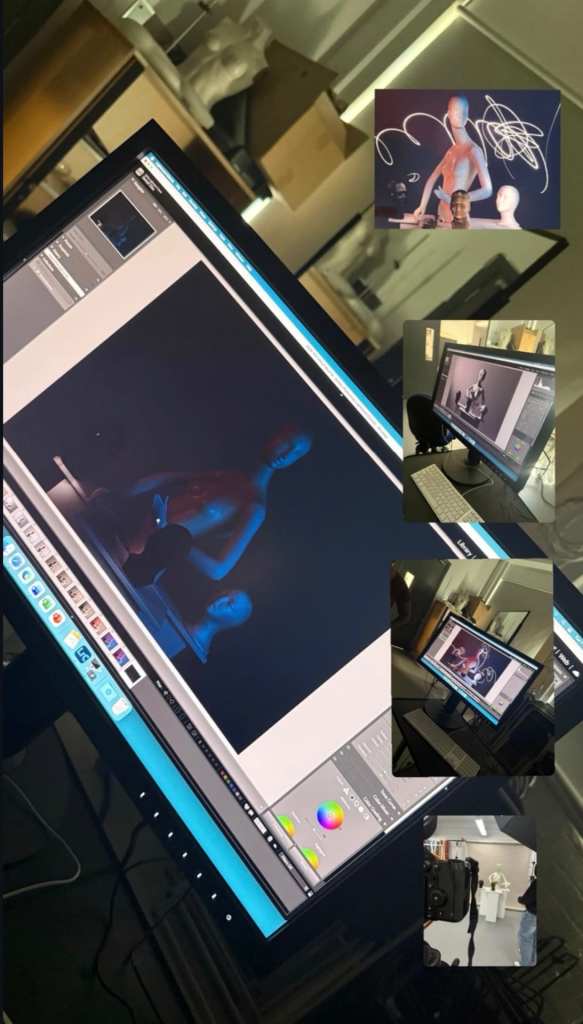
Screenshot
Week 9: ASSIGNMENT 3:
In todays lesson we looked at both storyboarding and creating ideas for our assignment 2 as well as beginning it.
The task for assignment 2 is to create a stop motion video that can explore a narrative, i used various cut outs of words and images that would allow my audience to follow along the theme im presenting.
my stop motion video is abstract in the sense that there is no particular story or events happening rather there is an idea being convey through words and symbolism that can be interpreted by the audience.
my idea revolves around the key word “REFRAME”. My goal is ultimately to symbolise that when things are re frame, looked at differently or even moved around in a persons perspective it can change how things can be interpreted or received.
To do this i am going to use a variety of images such as flowers, people, eyes, locations and the use of space within the camera frame, shifting them around and letting them ebb and flow finding their re imagined positions and meanings.
summary/analysis/reflection
I am very pleased with how my assignment three has turned out i believe that it very much encapsulates the ideas i wanted to present, I am also of the opinion that the style and use of stop motion allowed me more freedom in how i got to convey my ideas.
Critiques I have of my own work would be the lack of music, I also believe i could potentially have used more consistent imagery, narrowing down the focus of the “reframed” subjects in the video.
There may also be room for more creativity in the post production such as using after effects and experimenting with the stop motion more.
Overall, I believe i did a great job with some room for further experimentation at a later date possibly.
ASSIGNMENT 3 continued:
I’ve decided to write a short poem/speech to accompany the visuals above as well as some music. here is a written copy of the poem:
we’ve seen it and have heard it but can you reframe it? How long will you sing the same song and dance the same dance? Is that the limit? is there no more to be told? We will not just recycle the sane words and images.
beyond the pen that draws the pathway to knowledge lies a multiverse, interconnected alternate realities of which, each of us individuals are born and grown. a lifetime of experiences so similar and yet so distant. the smell that takes you back to times before, forget the memory. reconstruct it. reframe it.
the words that ebb and flow, reframe it. when the ground foundation is common, then common ground is the road we will all walk. even whilst plagued with incomparable troubles, reframe and spectate the world. we are children in a sandbox of knowledge, playing with different toys and yet unaware we attend the same sandbox.
(some of the text was cut out the poem to fit within my time frame)
Assignment 2:
STORYBOARD:
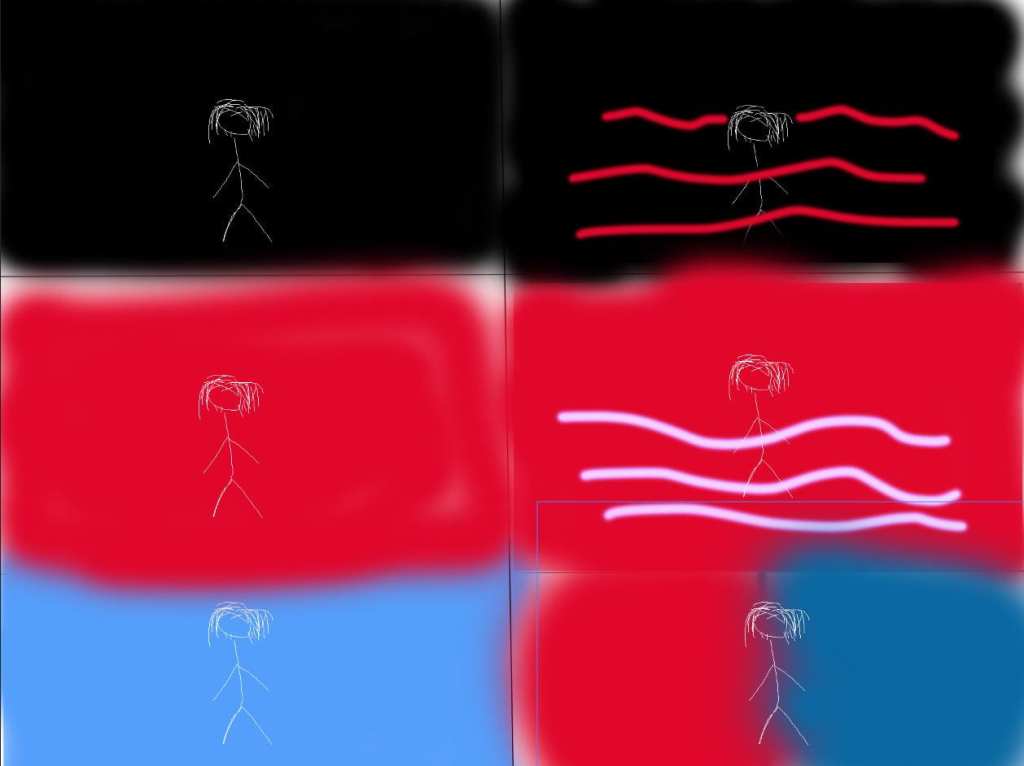
PITCHED IDEA:
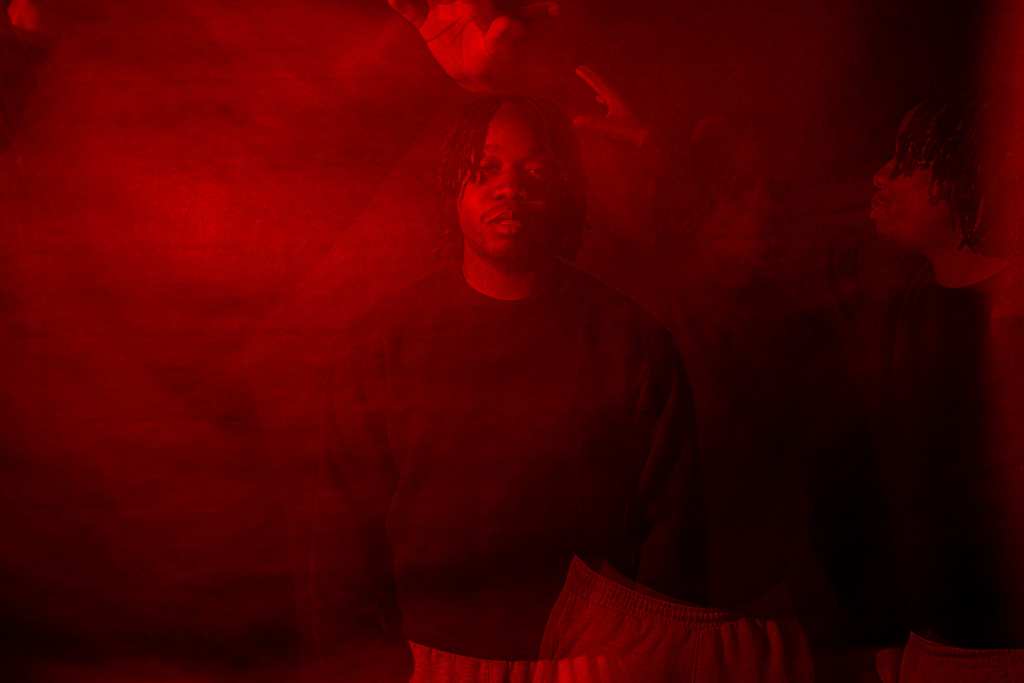
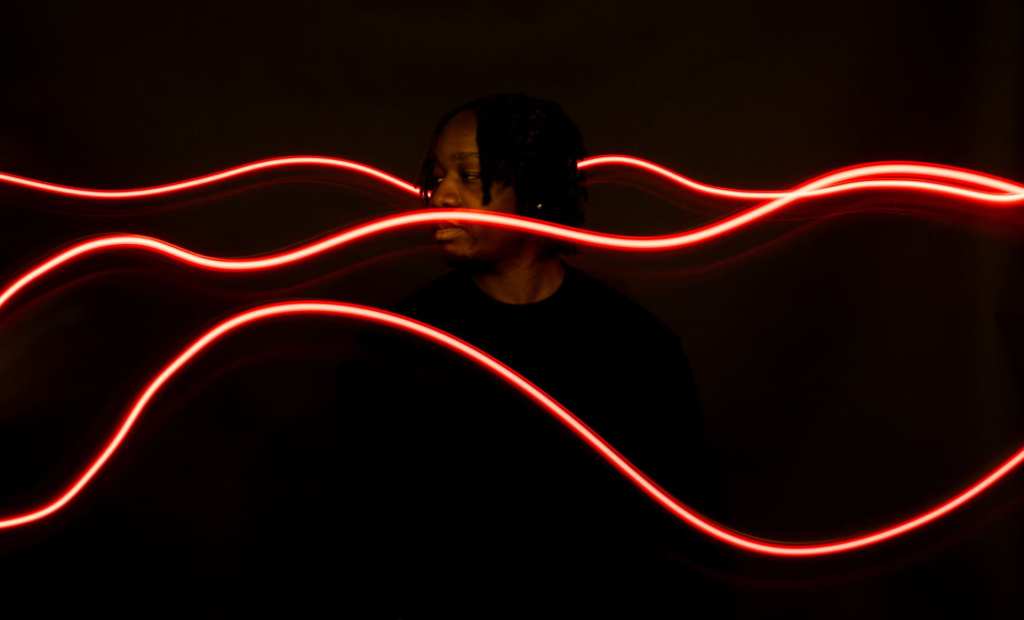
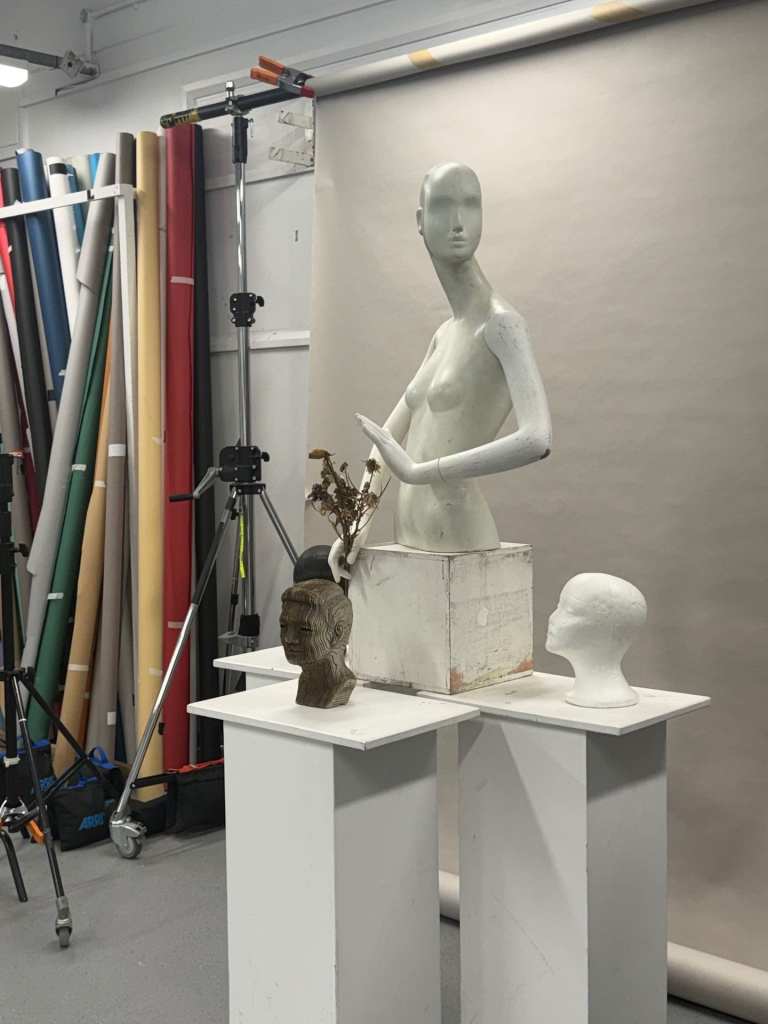
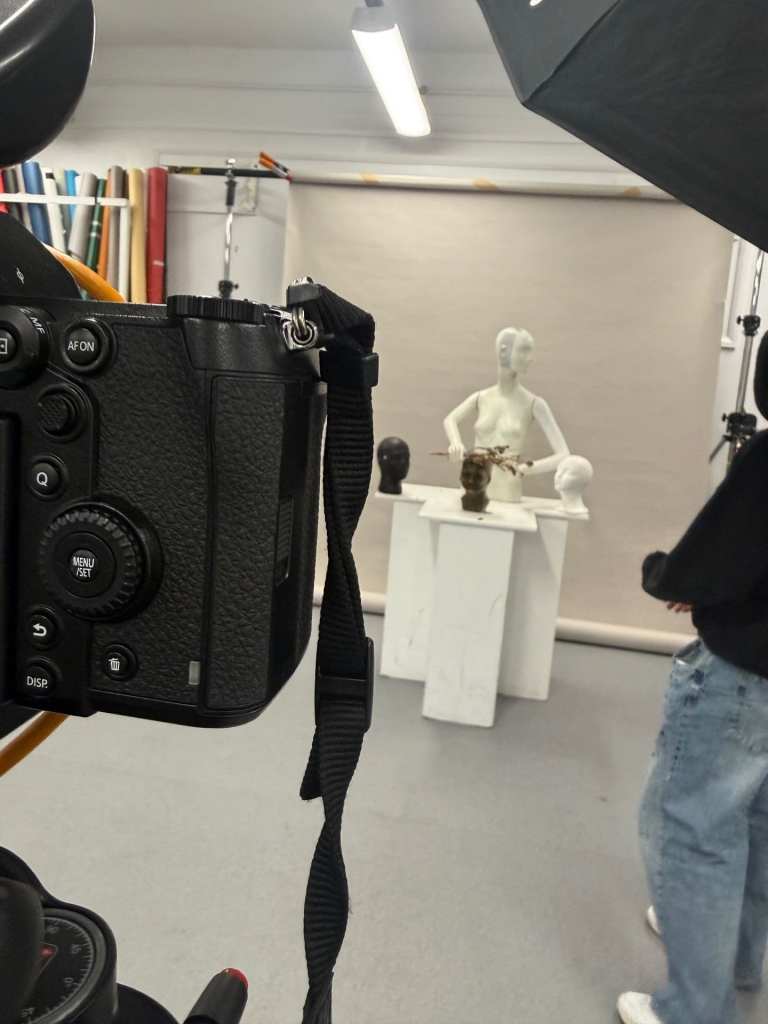
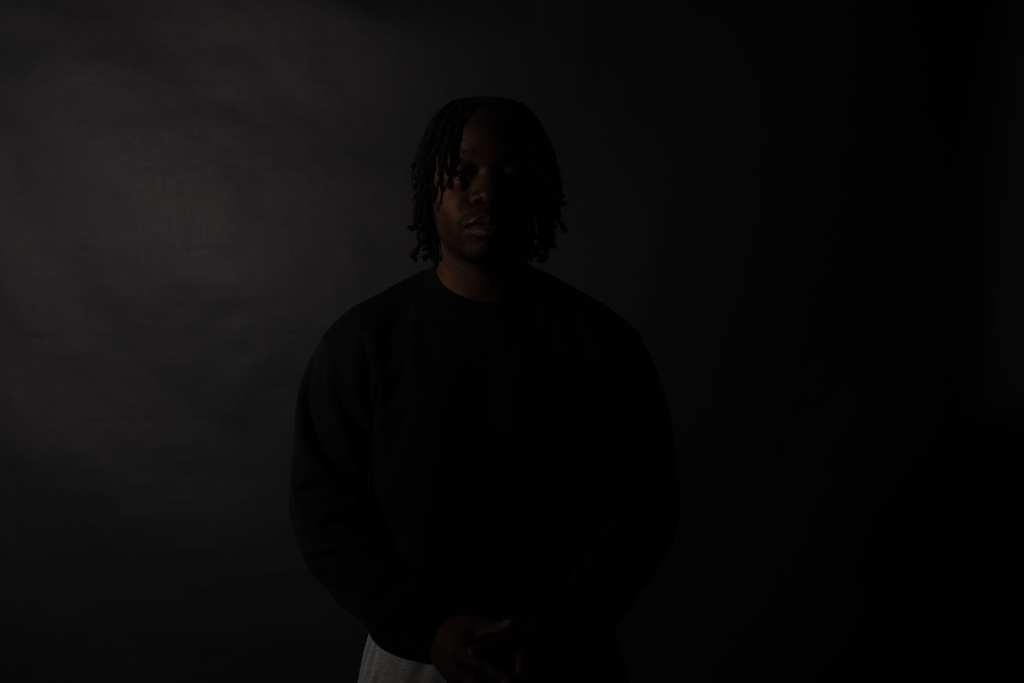
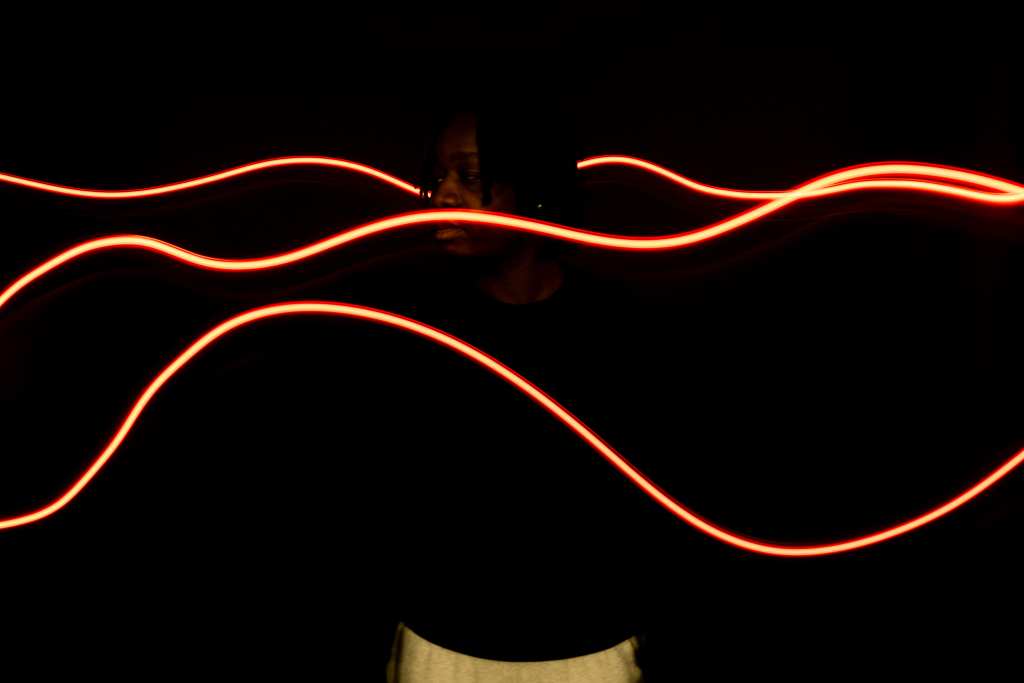
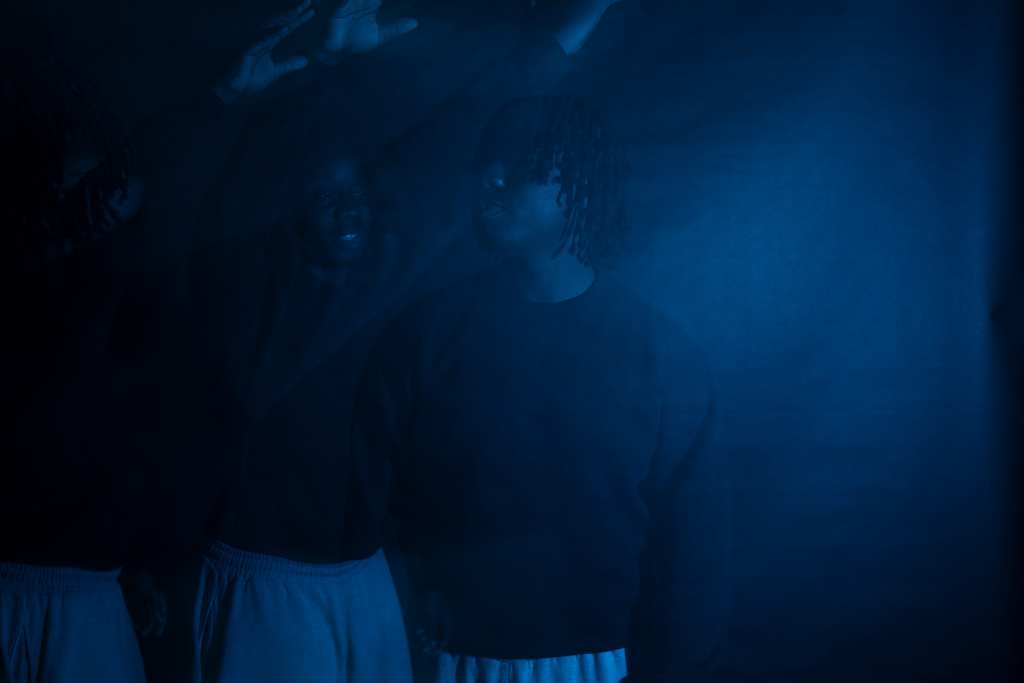
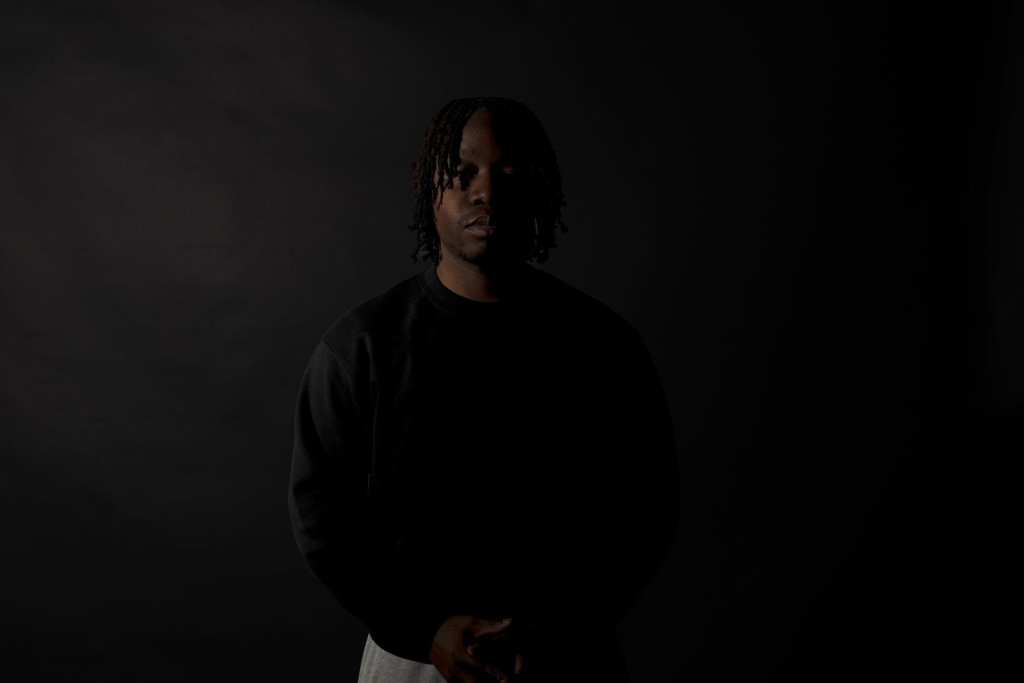
My idea is centred around the discovery of colour. My drawing skills are very bad however hopefully above it clearly depicts the protag enveloped in darkness. this darkness is then interrupted by rays of red light that catch the attention of the protag. the light will be captured in camera using a slow shutter speed.
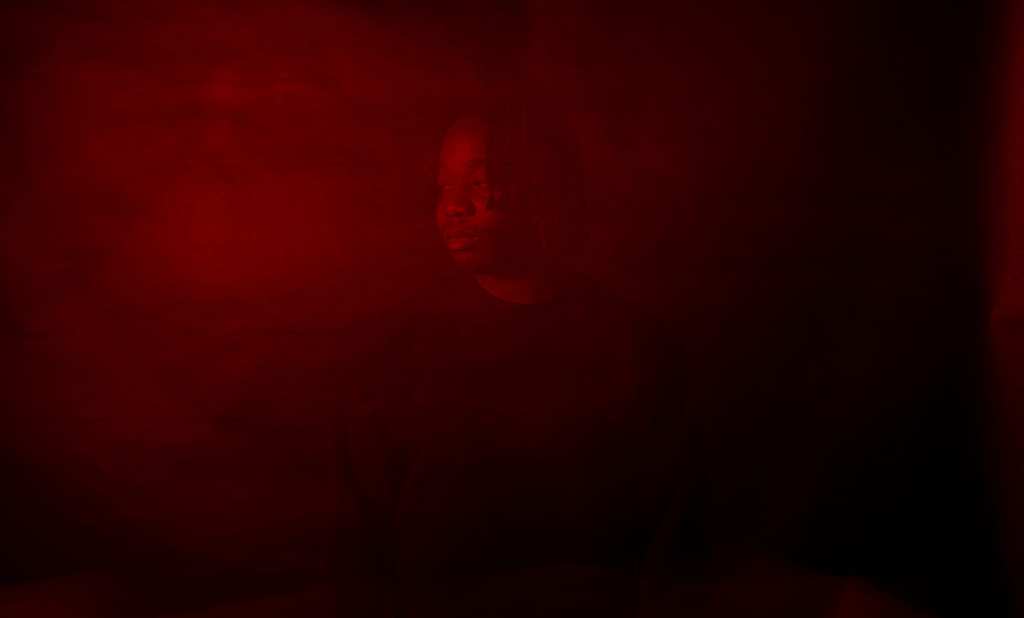
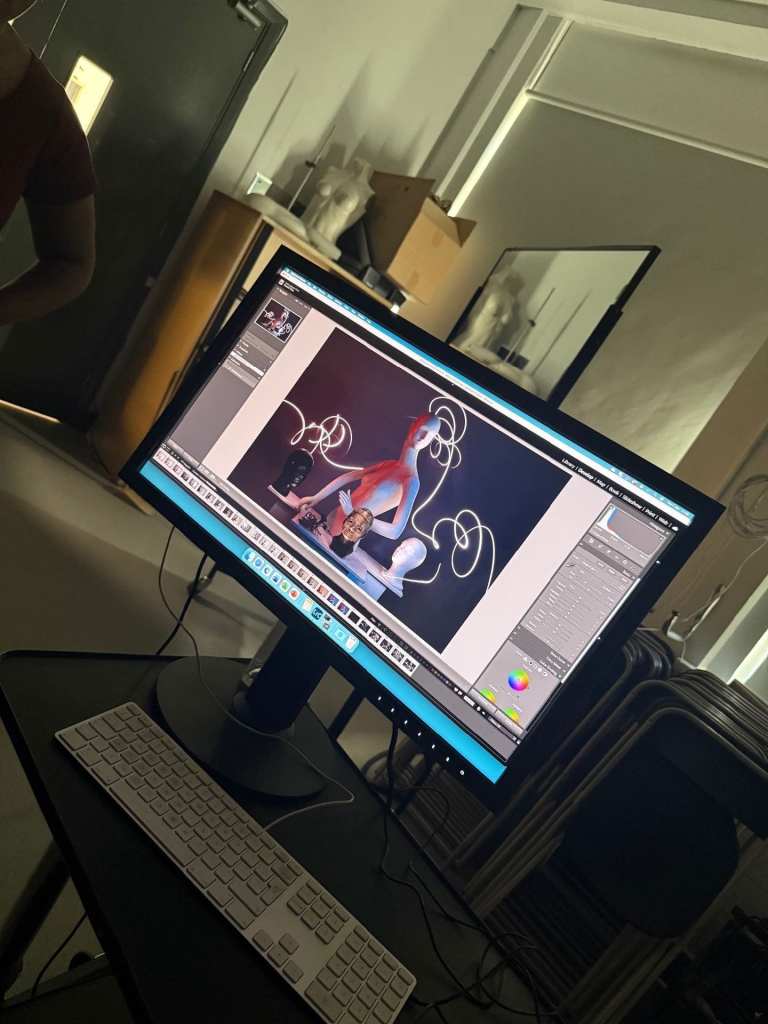
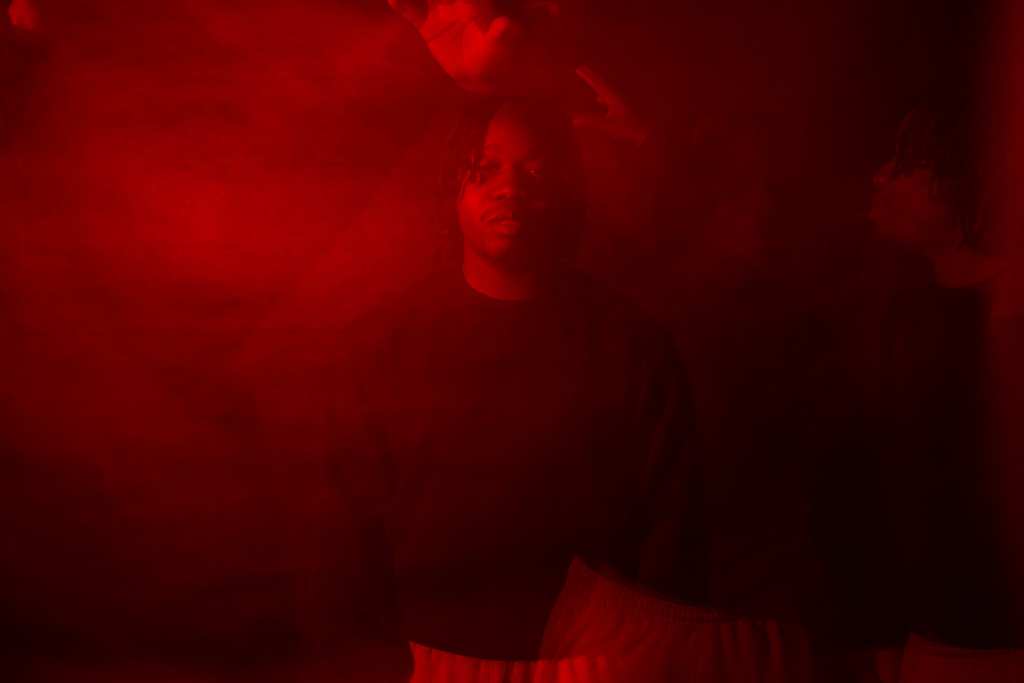
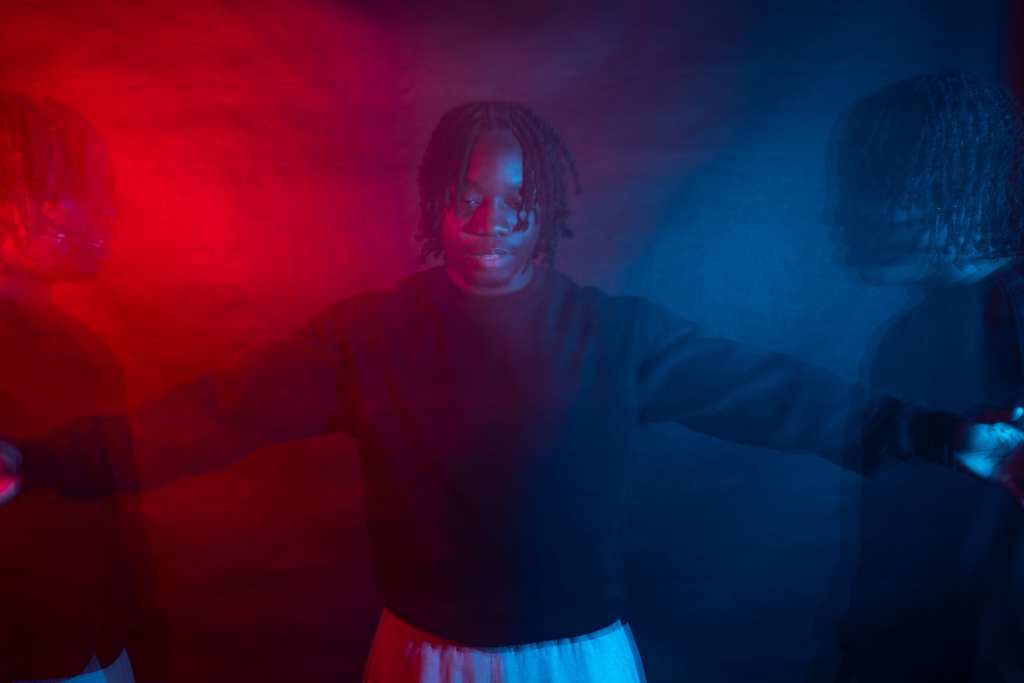
the scene then becomes covered in red lighting, with ghost like figured with hands above our protags head. almost as if they reached out and acquired the colour being bestowed upon the subject. This again is done in camera using a slow shutter speed and multiple camera flashes to pick up the movement which will create this ghost like affect in camera.
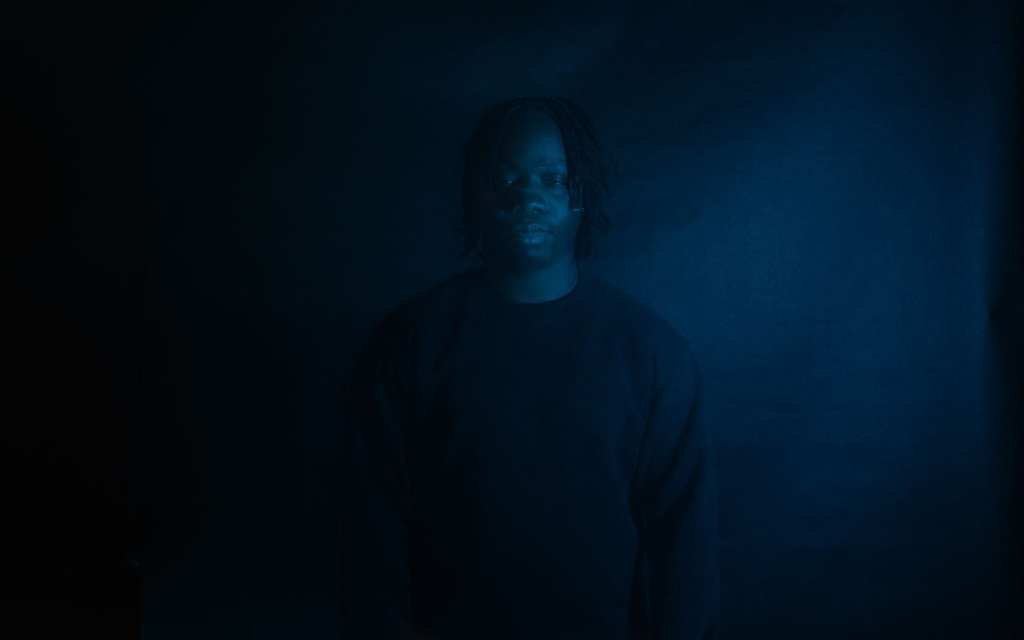
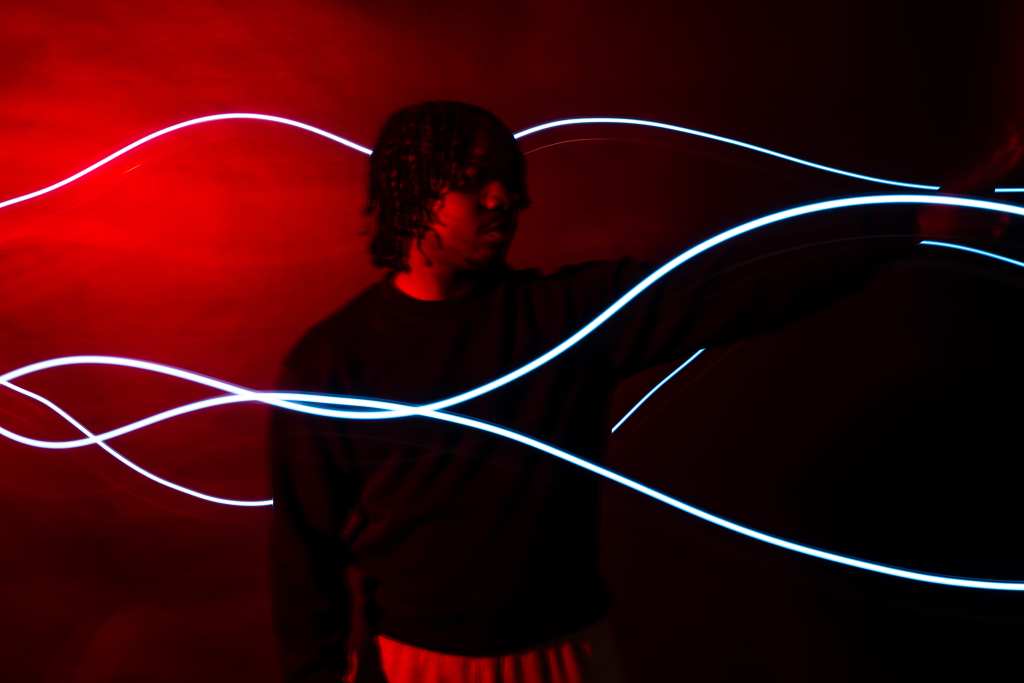
continuing this trend, a burst of blue rays will enter the scene using the same methodology as before, showcasing our exposure to another new colour which will then again be bestowed onto the subject again causing the scene to become blue.
With these two colours obtained the subject reaches out to both sides, harnessing both red and blue light to their respective sides and forms two ghost like versions of himself. symbolising the two inner halves of him that lay inside his heart and mind. By moving back and fourth quickly from each side and having the lights flash were able to create this effect.
In order to get these colours in camera we will be covering the light sources with coloured film.
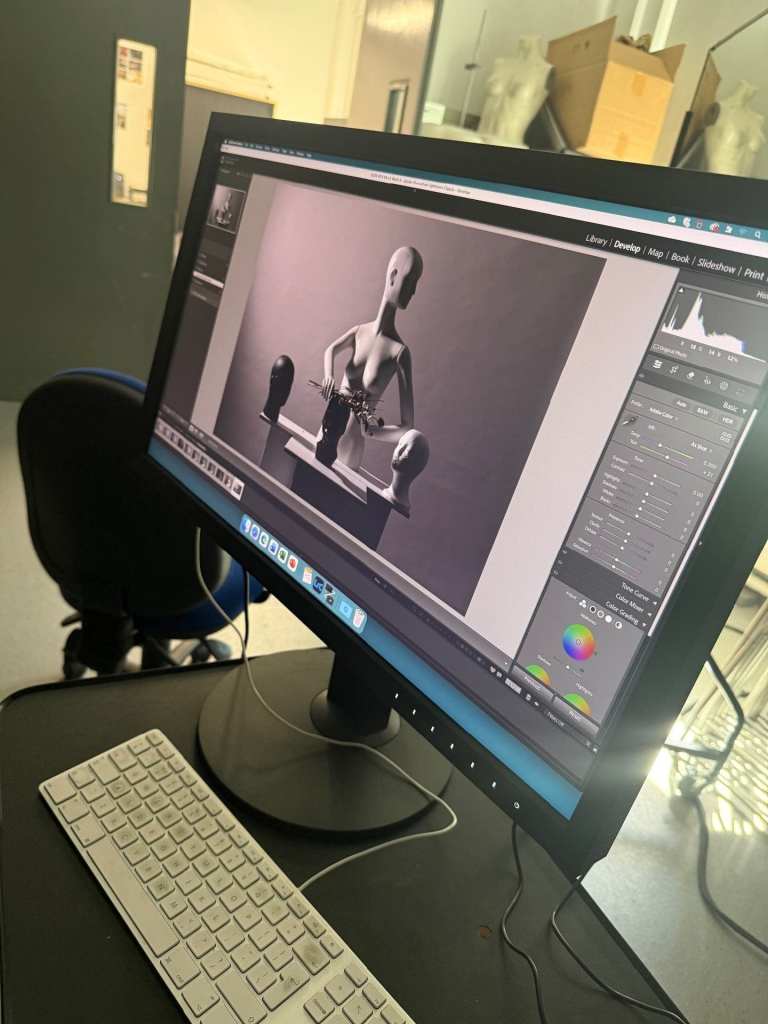
Processed assignment 2 first ideas/photos:
I think that this sequence is good however in my opinion it is lacking in the building of narrative. it is clear that we are witnessing colours appear but there is enough flow or repetition in my opinion to cement this narrative. Also i think that some images can be retaken or changed in posted to bring out more light or contrast. Some details in the face are not as clear as i would have liked.
Processed assignment 2 final photos:
blank thoughts – a lack of colour
Imagined thoughts of a colour bestowed
Red flows in
Fully immersed
Imagined thoughts of a colour bestowed
Blue flows in
Fully immersed
Holding onto the memory of colours.
Breakdown:
After changing, adding more images and working on the narrative, I’ve come to like this version much more as the transitions seem much more seamless. they make more linear sense and the use of repetition all the audience to understand the emergence of colours is the theme.
I also used captions that can help the audience get a general idea of what’s happening, This provides a gentle push for the audience to focus of the colours and think about what they might represent.






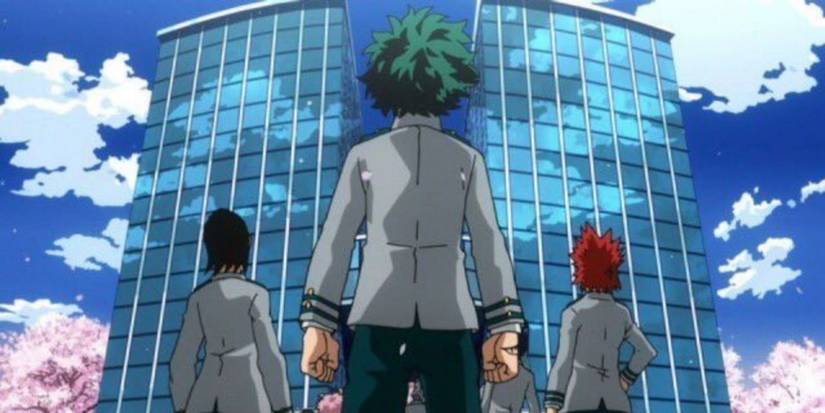

 i
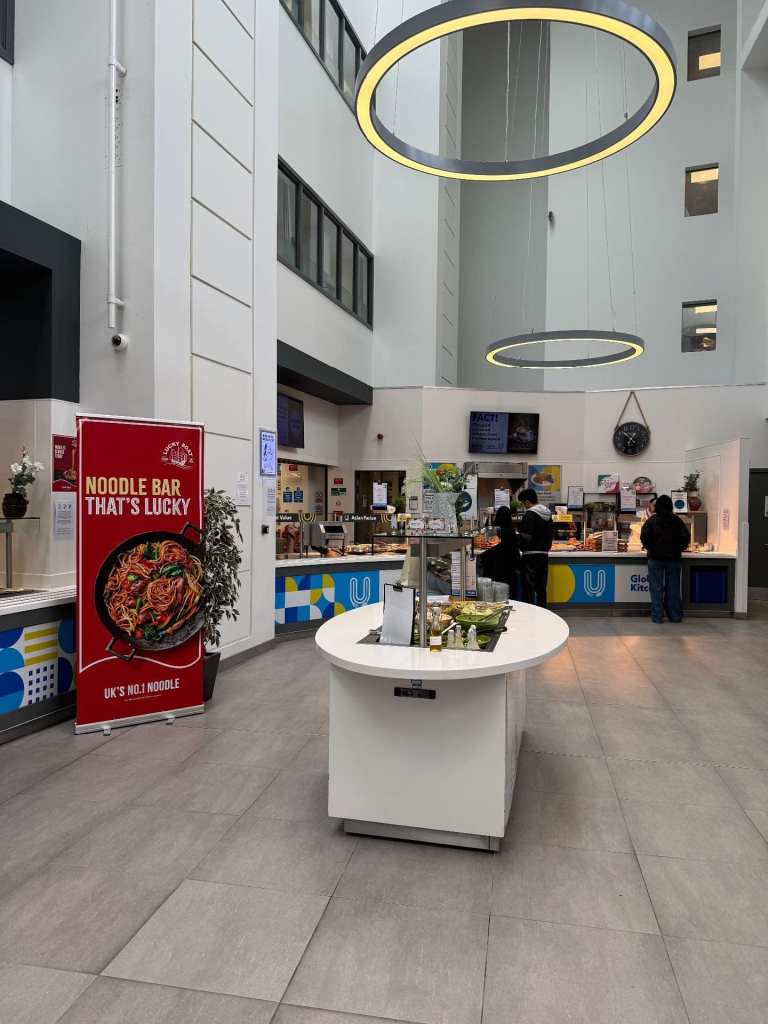
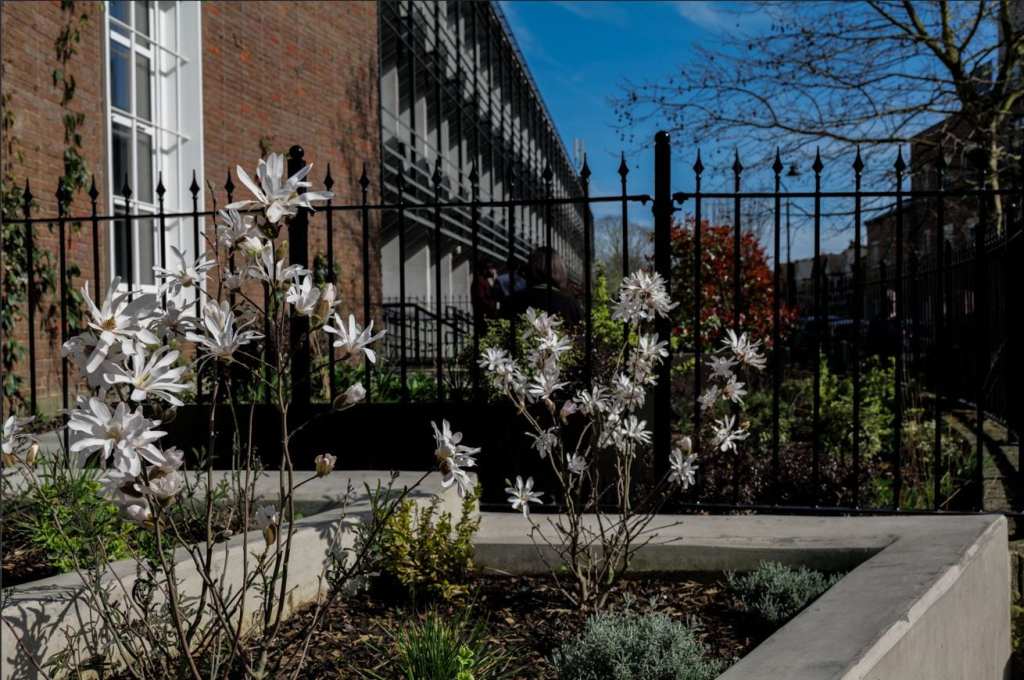
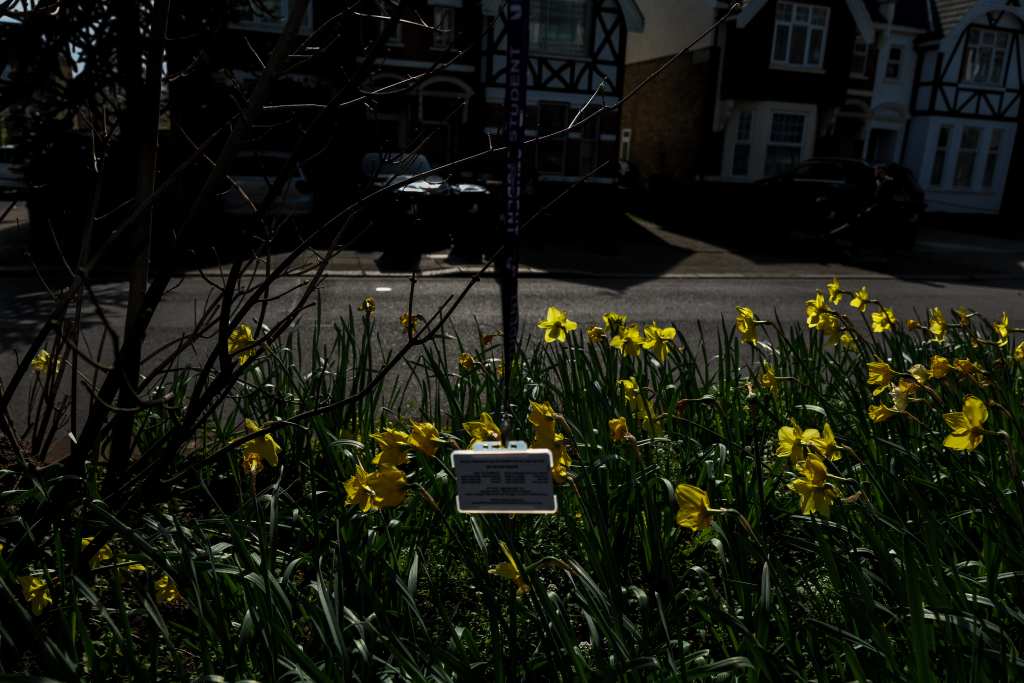
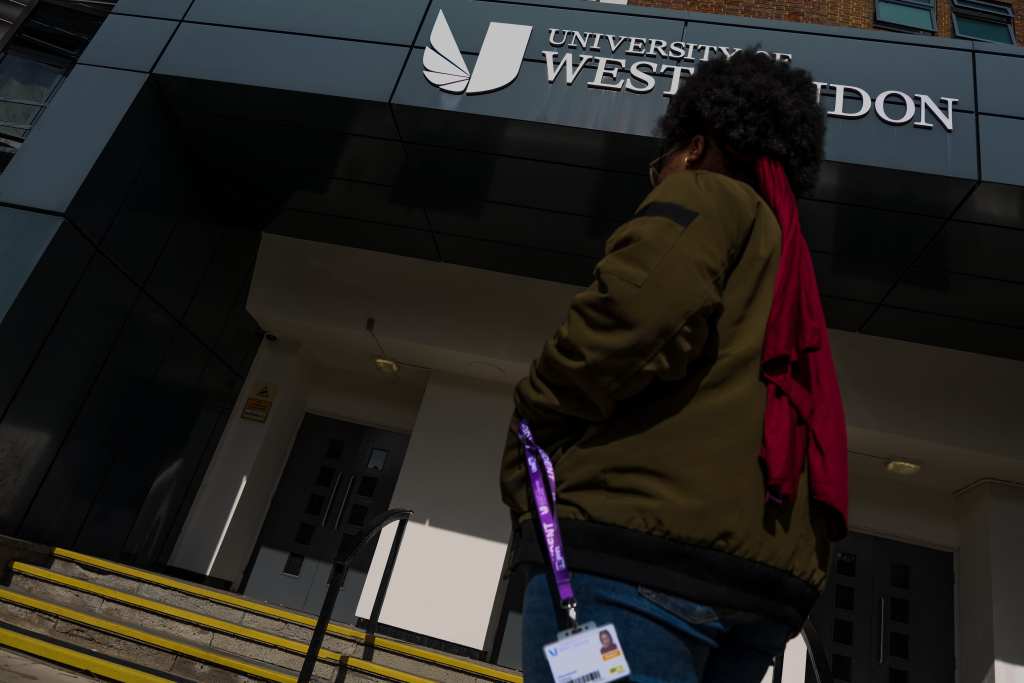
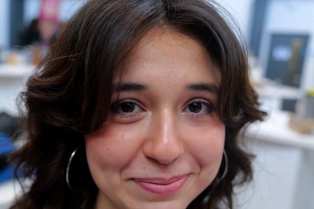
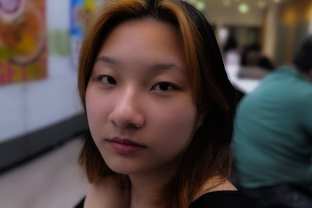
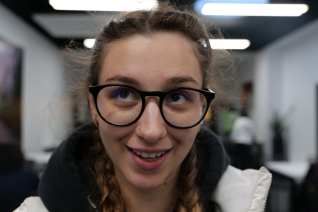
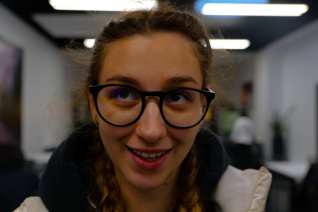
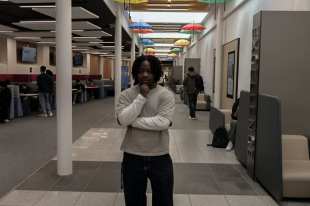
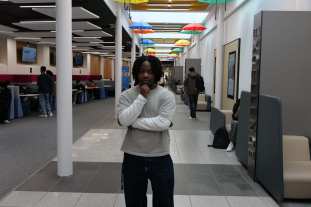
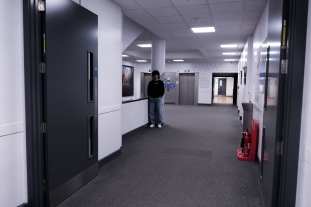
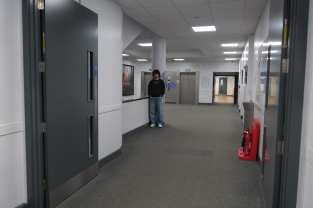
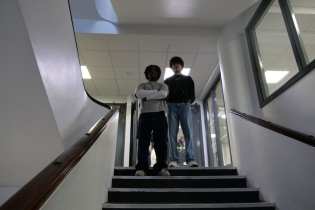
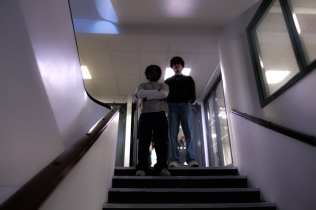
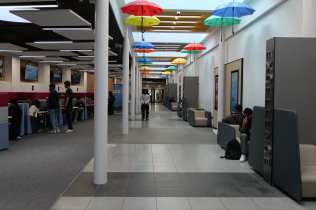
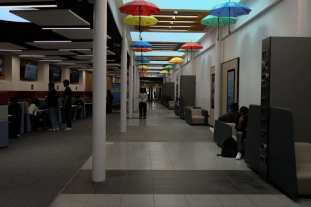
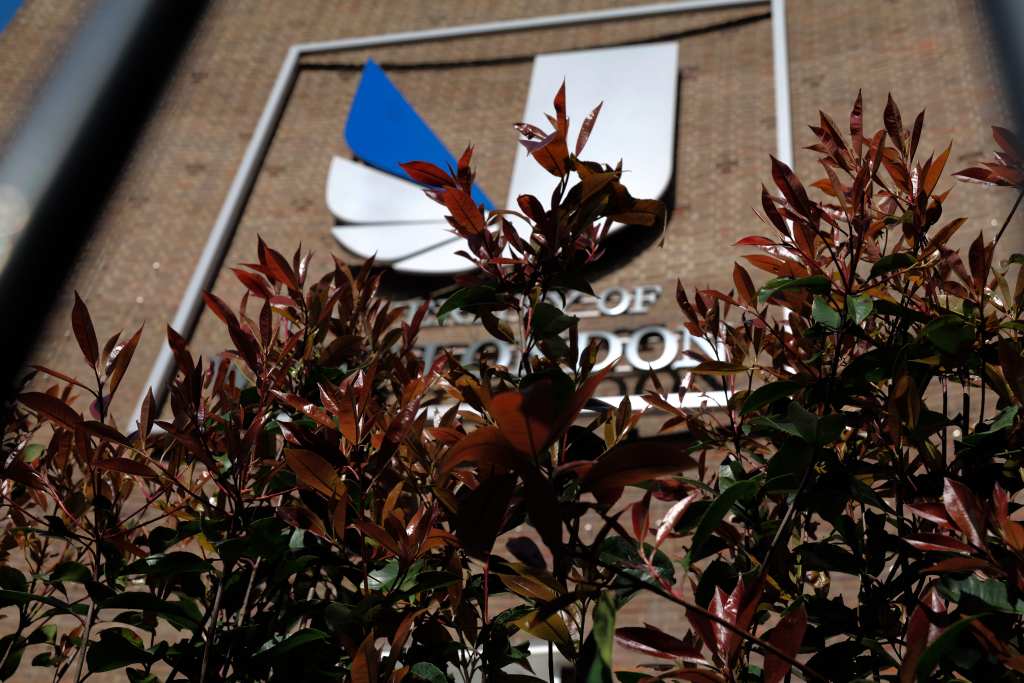 My thought process for these images was to have the centre piece/most captivating part of the image be what leads into the next image. The initial shot is of a bed of flowers, with the backdrop having some people and buildings. we don’t yet know who are what they are but it leads into the next shot with a university ID pass hanging of natures branch accompanied by nature again. building up ideas in the spectators mind, we know now a university pass is lost or has been left somewhere, there are students present. The following shot is of the same pass collected now dangling off a student similar to the nature shot with a slight angle showing the stature of the student to the university. they look strong and prepared. followed by a final shot of the university logo from yet another low angle showing how high and or important the place is.

 blank thoughts – a lack of colour